News

Hyper Plus vs Standard UV DTF: Durability, Quality & Cost Compared
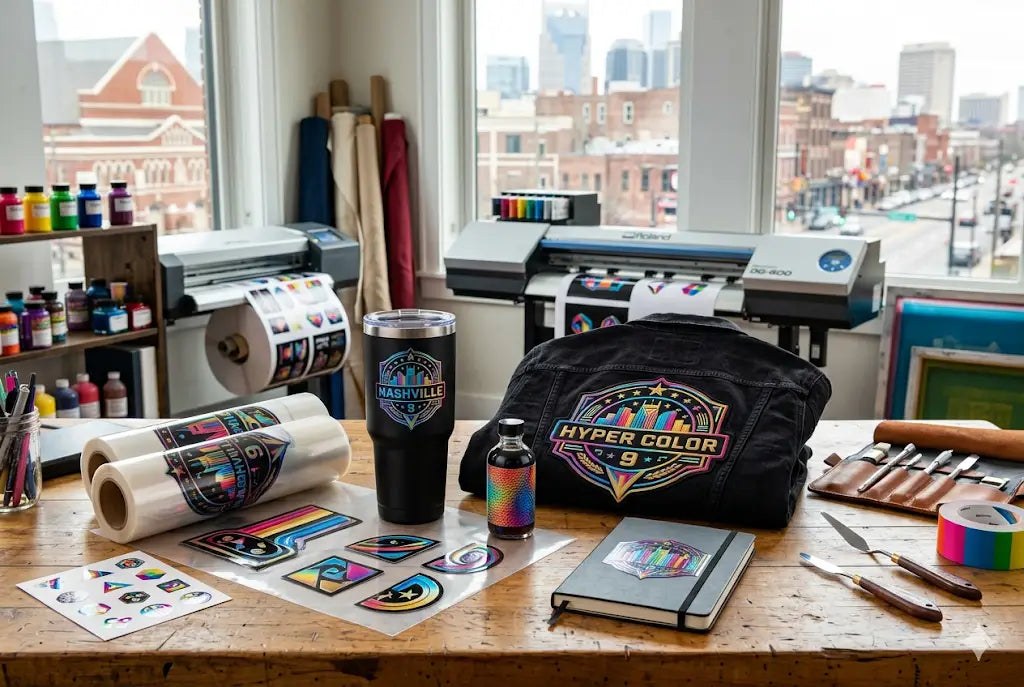
Hyper + is widely used in apparel-heavy production where wash resistance, fabric bonding strength, and repeat order consistency matter. UV DTF, on the other hand, is used for sticker production, packaging labels, and rigid surface branding where speed and visual impact are more important than long-term fabric durability. These systems are often placed side by side in conversations, but in real production they solve completely different problems. The challenge for most shops is not choosing the “better” system; it is understanding where each one performs without creating unnecessary rework or quality issues in the workflow. Hyper + Definition In DTF printing, Hyper+ refers to an advanced color mode that uses more ink channels to produce richer, more vibrant and accurate prints. It enhances gradients, detail, and color depth, allowing smoother transitions and improved image quality for textile printing applications use. What Hyper+ does in production Hyper + focuses on controlling ink behavior, transfer stability, and fabric bonding strength under heat press conditions. It is designed for structured garment workflows where consistency is more important than experimentation. Production behavior overview (fabric-focused stability) Factor Hyper + Standard DTF Ink stability across runs High consistency Medium variation Fabric penetration depth Strong fiber bonding Surface-level bonding Fine detail retention Strong on textiles Can soften on dark garments Wash resistance High durability Medium durability Batch repeat accuracy Very consistent Moderate variation This comparison shows why Hyper+ is often selected for structured apparel production rather than experimental or short-run printing environments. Why consistency matters in apparel workflows In real shop environments, the biggest issue is not whether a design prints—it is whether it prints the same way every time. Hyper+ reduces variation between batches, which is critical for uniform programs, retail apparel drops, and repeat branding orders where customers expect identical results across months or even years. Fabric performance in real-world use conditions On cotton, polyester, and blended garments, Hyper Plus integrates more deeply into fabric layers. This reduces surface cracking, fading, and peeling that can appear after repeated wash cycles. In high-usage apparel like uniforms or sportswear, this durability difference becomes noticeable over time. Where UV DTF fits in production workflows UV DTF is built for rigid surfaces and does not compete directly with fabric-based systems. Its strength lies in adhesive film application and fast surface branding. UV DTF workflow comparison (application-based system) Factor UV DTF Hyper + Surface type Glass, plastic, acrylic Fabric only Application method Peel-and-apply adhesive film Heat press transfer Setup complexity Low Medium Production speed High for stickers Moderate for apparel Equipment requirement Minimal Heat press required This difference alone explains why many shops run both systems instead of choosing one. Why shops adopt UV DTF for sticker production UV DTF is widely used because it simplifies production for stickers, labels, and packaging. The absence of heat pressing reduces setup time, allowing faster turnaround on small batch orders and promotional materials. Visual output and finish characteristics UV DTF produces a glossy, high-contrast finish that works well on retail packaging, bottles, and promotional items. However, this finish is designed for visual appeal rather than long-term fabric durability or wash resistance. Order your UV DTF Transfers today to test durability. Durability comparison that impacts real business decisions Durability is often the deciding factor for Nashville print shops, especially when handling repeat customers or bulk apparel orders. Durability performance breakdown table Durability factor Hyper+ UV DTF Fabric wash resistance High performance Not applicable Outdoor exposure stability Moderate-high Medium Friction resistance High Medium-low Long-term clarity Strong Moderate Batch durability consistency High Medium Why Hyper Plus performs better on apparel The key advantage comes from deeper bonding into fabric fibers. Instead of sitting on the surface, the ink integrates into the textile structure, which reduces cracking and peeling over time even after multiple wash cycles. UV DTF wear behavior over time UV DTF performs well initially but can show wear depending on handling, environmental exposure, and surface conditions. Items that are frequently touched, washed, or exposed to friction may experience reduced clarity over time. Print quality differences across materials Print quality is not absolute—it depends entirely on the surface being printed. Quality comparison table (material-dependent output) Quality factor Hyper+ UV DTF Color consistency on apparel High Not applicable Color intensity on rigid surfaces Medium High Finish type Fabric-integrated matte look Glossy finish Fine detail reproduction Strong on textiles Strong on smooth surfaces Brand consistency across batches High Medium Apparel color stability advantage Hyper Plus provides tighter control over color consistency across garments, which is critical for branded uniforms and retail apparel lines where exact color matching defines product quality. UV DTF gloss and visual impact UV DTF enhances surface visuals through a glossy finish that improves shelf appeal. This is particularly effective in packaging and promotional branding environments. Cost comparison in real production environments Cost is not just equipment—it is waste, reprints, and operational efficiency over time. Cost structure comparison table Cost factor Hyper + UV DTF Startup investment Higher Lower Material efficiency Higher long-term efficiency Moderate efficiency Reprint frequency Lower Higher in some cases Workflow complexity Medium Low Long-term profitability (apparel) High Medium Why UV DTF has lower entry barriers UV DTF is easier for new shops to adopt because it requires less equipment and fewer setup steps. This allows entry into sticker and packaging markets without heavy initial investment. Why Hyper Plus reduces long-term cost loss Although setup is more structured, Hyper + reduces failed prints and rework in apparel production. Over time, this leads to lower material waste and higher profitability in bulk garment workflows. How Nashville print shops actually divide usage In real operations, most Nashville print shops do not rely on a single system. They divide production based on product type and customer demand. Real workflow structure inside shops Most shops separate production lines internally. Apparel jobs are processed through Hyper+ workflows, while sticker and packaging orders move through UV DTF systems. This separation reduces bottlenecks and improves efficiency. Which system should you actually choose The correct choice depends on product focus, not general performance comparisons. Apparel-focused business → Hyper Plus Sticker and packaging-focused business → UV DTF Mixed production business → combined system approach Most growing shops eventually adopt both systems because customer demand naturally expands beyond a single category. Final perspective on both systems Hyper+ and UV DTF are not competing technologies—they are production tools built for different surfaces and business models. In Nashville print environments, success comes from understanding where each system performs best rather than forcing one to replace the other. Shops that scale efficiently tend to align production systems with product types instead of trying to standardize everything under a single workflow. Start exploring DTF printing solutions at Music City DTF. FAQs 1. What is the main difference between Hyper+ and UV DTF? Hyper+ is designed for fabric-based apparel printing, focusing on ink bonding into textiles for durability and wash resistance, while UV DTF is used for rigid surfaces such as glass, plastic, and coated materials, making it more suitable for stickers, labels, and product branding applications. 2. Which system is more durable for clothing? Hyper+ is more durable for clothing because it bonds directly into fabric fibers during heat transfer, improving wash resistance, flexibility, and long-term wear performance compared to surface-based printing methods that may crack or fade over repeated washing cycles. 3. Is UV DTF only used for stickers? Yes, UV DTF is mainly used for stickers, labels, and packaging applications rather than apparel or fabric printing. It is designed for rigid or semi-rigid surfaces, making it ideal for product branding, decorative labels, and promotional materials used across commercial industries. 4. Why do print shops prefer Hyper Plus? Print shops prefer Hyper+ because it delivers consistent color output and stable results in bulk apparel production. It reduces variation between repeated print runs, improves efficiency, and ensures reliable quality control for uniforms, merchandise, and branded clothing orders. 5. Which system has lower startup cost? UV DTF has a lower startup cost due to simpler equipment requirements, fewer production steps, and less material complexity. It is often chosen by beginners or small print businesses looking to enter the market with sticker and label production before expanding into apparel printing. 6. Can both systems be used together? Yes, many print shops use Hyper+ for apparel and UV DTF for stickers and packaging. This combined approach allows businesses to expand their service offerings, target multiple markets, and increase revenue streams through both fabric printing and rigid surface branding solutions. 7. Which system is better for Nashville print shops? It depends on the business model. Apparel-focused shops in Nashville benefit more from Hyper + due to demand for uniforms and clothing, while sticker-focused shops perform better with UV DTF for packaging, branding, and promotional product customization services. 8. Does UV DTF perform well outdoors? UV DTF performs reasonably well outdoors but may degrade over time depending on exposure to sunlight, moisture, and handling conditions. Its durability is suitable for short to medium-term applications, but long-term outdoor performance varies based on environmental stress. 9. Is Hyper Plus suitable for bulk orders? Hyper+ is widely used in bulk production because it maintains consistent color output, strong adhesion, and reliable quality across large apparel runs. It is especially effective for uniforms, promotional clothing, and commercial textile manufacturing. 10. What is the best setup for new print shops? Most new print shops start with UV DTF due to lower startup cost and simpler workflow, then expand into Hyper + as they grow into apparel production, allowing them to offer both sticker-based products and full garment printing services.
Learn more
4 Ways Outsourcing DTF Printing Saves You Time and Money
Direct-to-film (DTF) printing is super popular now because it lets businesses easily personalize clothes with strong, good-looking prints. But when you're making stuff, a big question that affects your profits is: Should you pay someone else to do your DTF printing, or should you focus on building your own DTF setup? Getting your own machine sounds cool, but paying someone else is often cheaper and less of a pain. Let's look at four ways using a DTF printing service can save you both time and money. 1. No Big Start-Up Costs Buying a DTF setup isn't cheap. Printers, heat presses, curing stuff, and air systems can cost thousands before you even print one thing. Additionally, technology changes rapidly, so your setup can become outdated in a couple of years. By paying someone else, you don't have these huge start-up costs. Instead of wasting money on machines, you can use that money to make your business better like with ads, getting more products, or hiring people. Outsourcing shows the in-house vs outsourced DTF printing advantages for scalability of DTF printing options. 2. Less Money Spent on Maintenance Printers stop working. No matter how careful you are, blocked print heads or broken heaters can stop you from making stuff. Fixing things costs money and time, which means you lose money and orders. Paying someone else gets rid of this worry. You don't have to save money for fixes, downtime, or new parts. A good DTF partner like Music City DTF takes care of all the tech problems, giving you pros and cons of outsourcing DTF with better DTF business setup considerations. 3. Less Money Spent on Supplies If you have your own DTF setup, you need to keep inks, films, powders, and cleaning stuff in stock. These things cost money, don't last forever, and you have to buy more all the time. Buying a lot at once can freeze up your money, and running out when you're trying to make stuff can cause delays. Paying someone else makes this easy. You don't have to deal with supplies or worry about wasting them. You just pay for finished stuff and create collections as you like. 4. Save Money on Workers and Training Using a DTF setup takes skill and time. You either need to teach your workers or hire new people who know the machine. Mistakes during training or making stuff waste supplies and hurt your profits. When you pay someone else, your team can focus on what they're good at: selling, designing, and getting customers. The making things part is done by experts who always give you good stuff, saving you the DTF print shop investment and reducing the need for a deep startup DTF printing cost-benefit analysis. Why Choose Music City DTF for Outsourcing DTF Printing When it comes to paying someone else, not everyone is the same. Music City DTF is great because we have good quality, do things fast, and have great customer service. Whether you're a small store just starting out or a well-established brand looking to grow, we provide prints that make your business look great. Outsourcing also helps with DTF production cost comparison and lowering business overhead for DTF equipment. Ready to get started with DTF printing? Use our Gang Sheet Builder to print multiple designs and save both time and money! Frequently Asked Questions 1: Is it actually cheaper to outsource DTF instead of building your own DTF setup?Yes. Building your own DTF setup involves high upfront costs for machines, plus ongoing expenses for repairs, supplies, and maintenance. Outsourcing lets you skip all that and pay only for the transfers you need. This helps with DTF control and quality advantages without tying up capital in equipment. 2: What hidden costs come with in-house DTF printing?Aside from buying machines, you have to replace parts, maintain the printer, and manage supplies. Downtime when equipment breaks and training staff adds up. Outsourcing eliminates these issues, making the in-house vs outsourced DTF printing comparison clear and highlighting the scalability of DTF printing options. 3: Can outsourcing speed up my production timeline?Absolutely. Handling your own DTF system requires constant setup, troubleshooting, and fixing problems. By outsourcing, experts manage the process efficiently, which improves your DTF printing production timeline comparison and ensures orders are delivered on time. 4: Are outsourced DTF transfers as high quality as in-house prints?Often, outsourced prints are better. Professional shops like Music City DTF use the best machines, skilled staff, and quality control to provide pros and cons of outsourcing DTF while ensuring DTF business setup considerations are met. You get sharp, durable prints without the risk of mistakes or wasted materials. 5: Why should I choose Music City DTF over other outsourcing options?Music City DTF combines expert service, fast turnaround, and predictable costs. Choosing us helps reduce business overhead for DTF equipment, while delivering professional results that make your brand look great. Our clients benefit from a DTF print shop investment without the headache of managing machines themselves.
Learn more
4 Creative Ways to Customize Apparel Using New Year DTF Transfers
New Year DTF designs have made customizing clothes way simpler, quicker, and much more creative than old-school printing. DTF transfers give you super crisp colors, clean lines, and lasting durability with eye-popping designs. Whether you’re getting ready for a holiday sale, doing custom gift orders, or dropping a limited New Year line, DTF transfers can work with anything. They can be used with almost any fabric, handle simple or sophisticated designs, and let you test things out without a hefty budget. Additionally, using New Year DTF transfer bundles helps you prep multiple designs at once. Below, we’ll go through some creative design ideas to create unique apparel with New Year's DTF transfers so you can stand out among the competitors and spike up your sales! Make Cool Metallic and Sparkle Designs New Year's is all about sparkle and fun, so metallic designs are an ideal option for holiday clothes. New Year gang sheets let you create shiny, detailed designs like gold foil or fireworks without expensive printing setups. DTF transfers effectively capture gradients, little sparkles, and shine that is a necessary element of any holiday clothing. Since you put them on with a heat press, you can get these looks on hoodies, shirts, joggers, or tote bags without any complicated setups or expertise. In addition, adding New Year DTF sheets makes your designs more versatile across different fabrics. So, regardless of what you choose, you can experiment without worry. Add Names, Dates, and Messages to Clothes Putting names on things is a great way to attract people’s interest and boost holiday sales. New Year DTF prints make adding names, dates, quotes, or messages fast and easy. This works well for small batches, single orders, or family and work party gear. People love special gear, and custom clothes often sell for more profit. Using New Year apparel transfers with personalization keeps your designs bright and details sharp, making the pieces memorable gifts. Build Matching Outfit Sets with New Year Themes Another fun way to rock New Year DTF transfers is making matching clothes. New Year heat transfers allow you to copy designs on multiple garments without losing quality. Matching sets (like hoodies and joggers, parent-child outfits, or couples’ tees) are perfect for holiday pics, New Year’s events, or family activities. Using DTF transfers for the New Year helps keep the colors and detail consistent across all pieces. Try Wild New Year Art Styles A top perk of holiday DTF transfers is experimenting with different art styles, from bright colors and retro designs to doodles and clean lines. Holiday shoppers want clothes that feel fresh. Holiday apparel DTF transfers let you try bold, detailed designs that aren’t possible with vinyl or screen printing, keeping your New Year collection unique and eye-catching. Conclusion New Year's DTF transfers let you get super creative. Apparel brands and creators can make custom, top-notch designs without worrying about substantial initial investment. Additionally, New Year shirt transfers let you add personal touches and metallic effects with ease. Whether it's making matching outfits, playing with cool art, or going for metallic looks, New Year DTF wholesale helps you save money on bulk orders while keeping quality high. Try these ideas to grab more customers, boost sales, and create clothes that nail the New Year's vibe. For ready-to-press designs, try our New Year DTF transfers that are ready for your holiday apparel line! Frequently Asked Questions 1. Will New Year's DTF transfers last, or will they fall apart after a wash? Good DTF transfers don't crack or fade, even after you wash them multiple times. So, people can wear their New Year's gear all season (and longer!), which means happy customers who come back for more. Many brands use New Year DTF prints for durable prints that make more profit, especially during the holiday season. 2. What kind of New Year's designs work best with DTF transfers? DTF can handle anything. Metallics, bright colors, cool fonts, custom text, and everything from basic to highly complex. It keeps all the little details, so any New Year's style, from simple to intricate, will look great on clothes. New Year DTF sheets make it easy to achieve this level of detail. 3. Can I sell clothes with people's names on them using DTF transfers? Totally. New Year apparel transfers make it easy to add names, dates, names of special events, or places, without any complicated setup. Custom apparel sells like hot dogs during holidays, so it's a good way to pump up those New Year's sales. 4. Do I need any fancy tools to use New Year's DTF transfers? No. Just a heat press, which is super easy to use, even if you're just starting out. Once it's pressed, the design sticks to the fabric permanently without any additional steps. No need for stencils, cutters, or any complicated machines. Many shops buy in bulk with New Year heat transfers options for efficiency.
Learn more
Why Companies Are Adopting 3D UV DTF Printing for Packaging in 2026
With the rapidly growing demands for better presentation of goods, the packaging sector is undergoing drastic changes as businesses seek new ways of enhancing their products and services. Modern cosmetic, electronics, beverages, fashion, and luxury items are using the latest advances in printing technologies to make packaging more appealing and high quality. One technology that has become especially popular among such enterprises is 3D UV DTF TPU Printing. It allows for applying highly vivid, colorful images and text in a very accurate manner onto various surfaces. Brands are switching from traditional printing methods due to increased consumer demand for attractive and premium looking packaging. Using TPU UV DTF printing technology ensures high-quality printing throughout the entire process of mass production without sacrificing output's quality. If you want to add durable packaging to your products, this post is for you. Reasons Why 3D UV DTF Printing is Becoming Popular 1. Enhanced Visual Appeal for Premium Branding Contemporary organizations are aware of how important packaging design is in the purchasing decision process. Good packaging draws customers’ attention and provides an excellent first impression. With 3D UV DTF printing services, it becomes possible for brands to create impressive packages with amazing texture and color. High-Definition Surface Decoration Companies engaged in packaging are increasingly turning to high-definition surface decoration as their choice of printing technology. It provides vivid images, glossy finish, and even 3D effects. Enhanced Customer Engagement Consumers tend to be attracted towards products that are packaged in an attractive and stylish manner. The use of bright colors and textures in packaging will make consumers pick and read about the product. Improved Branding There is a desire by firms to differentiate their products from those produced by other manufacturers. Decorative printing allows the brand to establish its corporate identity and makes the brand more recognizable. Increased Market Differentiation Decorative printing enables businesses to interact with their target market better. Product recognition tends to be higher when the company utilizes advanced decoration printing techniques. Check out Music City DTF UV Stickers and explore UV design tools. 2. Greater Durability Across Different Packaging Materials The packaging should continue to look good throughout shipping, storage, and handling by the customer. The conventional stickers will wear off easily due to aging when placed on curved objects. With 3D TPU printing, the stickers adhere well and last for a long time. Resistance to Environmental Changes Most businesses favor printers that can withstand moisture and fluctuations in temperature. The durable transfer process ensures that the graphics of packaging remain pristine regardless of the handling and transportation involved. Minimal Product Damages The robust decorative prints prevent scratching, peeling, and damage to the graphics on the packaging. It helps to minimize losses arising from packaging damages. Compatibility With Flexible Surfaces Curved-shaped bottles, jars, and containers are commonly used by many industries where conventional labeling does not apply. The TPU transfers are flexible enough to adapt to irregular surfaces without compromising on design quality and aesthetics. Greater Printing Accuracy It is essential for manufacturers to have a reliable method of printing that produces consistent results during the mass production process. 3. Faster Production and Cost Efficiency Manufacturers of packaging constantly look for new ways to accelerate the production process and minimize expenses. New printing technologies allow manufacturers to finish tasks faster without affecting the quality. Optimized Production Process The use of traditional decorating techniques implies multiple setups and lengthy processes of drying products. Printing via 3D UV DTF TPU technology eliminates additional processing stages, optimizing the workflow. Less Labor Costs Use of automated equipment minimizes the necessity for manual operations during manufacturing. Manufacturers will be able to enhance their productivity, leaving employees more time for other activities. Minimal Use of Resources Transfer printing makes it possible for manufacturers to optimize the consumption of resources through better placement of images and control of ink usage. Increased Profits The use of modern production technologies minimizes costs and accelerates manufacturing. Thus, manufacturers can stay competitive and produce quality packaging solutions. Choosing 3D UV DTF Printing Packaging companies in 2026 are choosing advanced printing technologies because customers expect better quality, stronger durability, and more attractive product presentation. High quality UV DTF printing offers bright visuals, reliable performance, faster production, and flexible customization options for many industries. Businesses using this technology can improve branding, reduce waste, and increase customer interest in their products. Companies looking to modernize their packaging should consider this innovative solution for long-term growth and better market performance. Contact a trusted printing expert today to explore the best packaging options for your business. Explore Music City DTF for UV DTF printing solutions. FAQs Why are companies using 3D UV DTF TPU printing in 2026? Firms use this technique since it offers graphic designs, adhesion, and beautiful packaging aesthetics. This technique promotes speed and low wastage, making it appropriate for firms looking for fast and effective packaging processes. What are the benefits of 3D UV printing for packaging? The technique generates highly decorative packaging layers that offer resistance to water, scratching, and damage from regular handling. Moreover, TPU transfer provides great adhesion to various substrates and ensures that packaging remains visually appealing after transportation and packaging. Can TPU printing be used with diverse packaging materials? The printing method applies to several substrates, including plastics, metals, glass, corrugated cardboard, and flexible materials used for product packaging. Therefore, the process produces great results when used on varied surfaces. Is UV TPU printing suitable for luxury goods packaging? 3D printing is common in the manufacture of premium packaging because it makes it possible for packaging layers to develop textures and glossy finishes that attract consumer attention. Can this particular technology be applied for sustainable packaging? Yes, because it can reduce the amount of wastage and increase the efficiency of the production process. Moreover, durable printing reduces the necessity of replacing those faulty ones. What are the benefits of 3D TPU printing when creating brands? This printing technology helps brands produce unique graphics, textures, and unique package designs that will attract their attention and help increase sales. Why do packaging manufacturing companies need fast production methods? Absolutely. Otherwise, they won't be able to speed up their production. Fast production methods make packaging manufacturers able to adapt to changes and fulfill customers' needs in time. Which business types should use this technology? It can be utilized in the cosmetics industry, beverage industry, electronics industry, skin care industry, fashion accessories industry, and luxury retail industry because packaging design is crucial in consumer decision-making. Is 3D UV TPU printing cost-effective for companies? Yes, because it ensures labor saving, material wastage saving, and time-saving. It becomes more profitable in the production process without reducing packaging quality. How can businesses utilize TPU printing? It would be important for businesses to partner with experts in printing equipment and packaging materials to select the suitable equipment and set up production processes.
Learn more
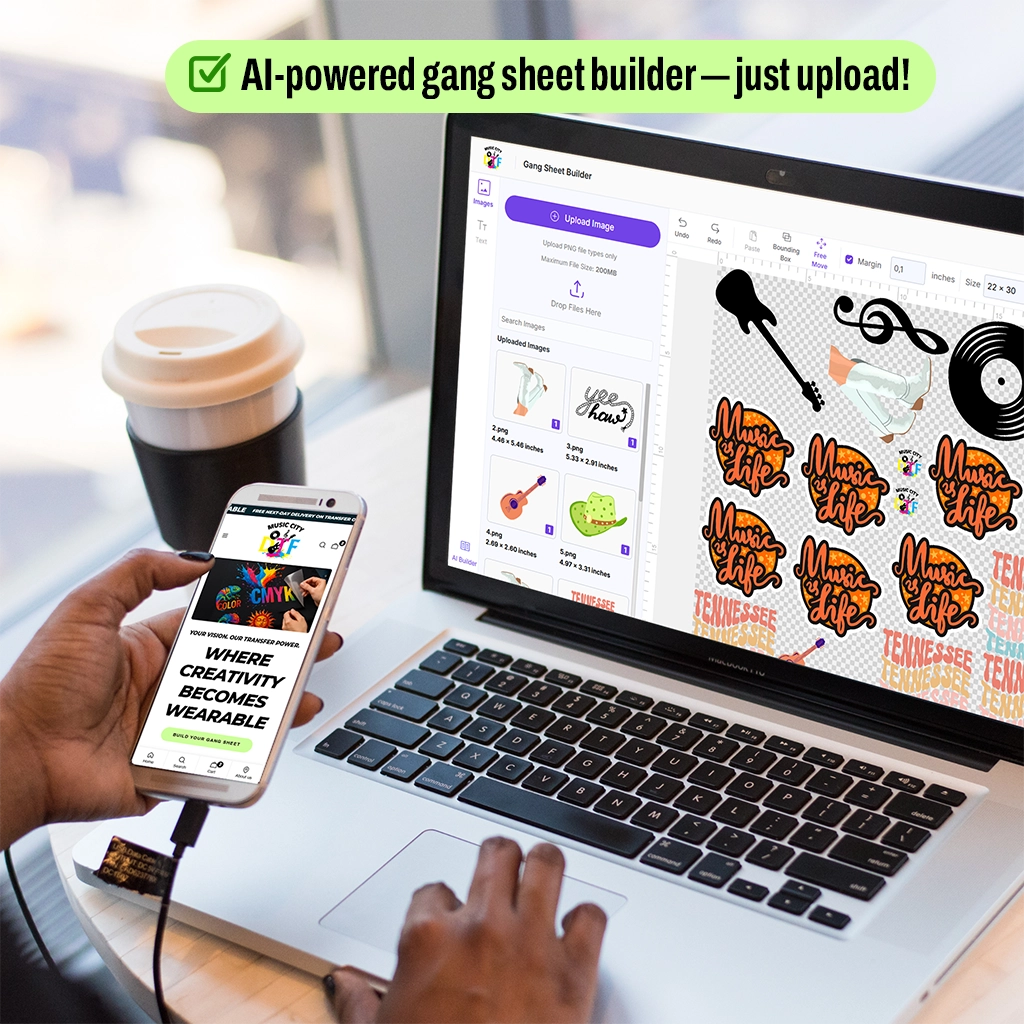
5 Steps to Use the Wholesale DTF Transfers Gang Sheet Builder to Save Money in Production
Custom apparel printing is a highly competitive industry, and time and money are significant factors for success. Direct-to-Film (DTF) printing has already addressed many issues for clothing brands by eliminating setup costs, reducing minimum orders, and providing prints that last and look great. If you want to save even more, using a DTF gangsheet builder is a brilliant move to stay competitive because it’s all about maximizing print efficiency with gang sheets. Instead of sending designs one at a time, a gang sheet allows you to add multiple designs on a single sheet. This cuts down on waste, uses all the print space, and saves you both time and money. For a small brand testing new drops or a bigger shop making larger runs, saving costs with DTF gang sheets makes production faster and smarter, especially if you’re focused on small batch production with DTF gang sheets. In this post, we will explore wholesale DTF transfers Gang Sheet Builder, and how it can help your small business save money in the long run. How to Use a Gang Sheet Builder in DTF Step 1: Understand Wholesale DTF Transfers Gang Sheet Builder Before you begin, let's discuss what a gang sheet is. It’s just a large sheet where you can place various designs, including logos, pictures, and more, all together. Instead of paying for each design, you pay for the size of the sheet, which gives you immediate gang sheet printing benefits. Here’s why it’s cool: You save money by utilizing every inch of space. You don’t waste a sheet because you use all the space. You can mix and match different designs on one sheet, such as logos, tags, and pictures. So, if you need 10 designs, you can put them all on one sheet instead of buying 10 separate prints. That saves you money right away, and with no-minimum gang sheet orders, even the smallest brands can compete. Step 2: Get Your Designs Ready To truly save money with a gang sheet, you need to prepare your designs first. Ensure your files are ready to go before you begin assembling them. Here’s what to do: Use see-through backgrounds: PNG files are the best. Keep sizes the same: Decide on the desired size before uploading. Consider how many you need: If you require the same design on 10 shirts, list 10 of them on the sheet. Mix things up: Put different elements, such as logos, neck tags, and large images, on one sheet. If you plan, you’ll get the most out of every inch. Music City DTF’s builder makes it simple to create custom gang sheets online with drag-and-drop tools that automatically align elements. Step 3: Put Things Together and Make it Look Good This is where the gangsheet builder really helps. It lets you see how your designs will look on the sheet and move them around. Using innovative layouts not only improves your look but also helps you reduce material waste with gang sheets. Some tips: Place the large designs first, then fill in the empty spaces with smaller logos or tags. Rotate or flip designs to maximize space. Group designs together by customer (put customer A’s logos at the top, customer B’s at the bottom). Use every inch; space is wasted money. With Music City DTF’s builder, you don’t need fancy design software. It’s easy to use, shows you the exact preview, and helps you take advantage of the best wholesale DTF transfers price per sheet without surprises. Step 4: Order and Print Once your layout is complete, simply send the sheet to be printed. Instead of paying for each print, you pay for the size of the sheet. This is where the biggest bulk DTF printing cost savings kick in. Like this: One sheet can hold a ton of logos. You can put neck tags, sleeve prints, and small pictures all together. The price for each design decreases significantly when you fill the sheet. Many small businesses reduce their costs by 30–50% when they start using gangsheet printing. With Music City DTF, you can upload, create, and send your layout all in one place. We handle the rest with high-quality DTF transfers that stay vibrant and durable. Step 5: Press, Save, and Do it Again When you get your gang sheet, cut out each design and heat press it onto your clothes. This is where all your planning pays off: You save time by doing orders in batches. You save money because you use every sheet to the max. It’s less stressful because all your designs are in one spot. The best part? You can do it repeatedly. Make templates for designs that always sell (like logo tees or hoodies) and keep reordering them when you need them. With the right, your layouts will always be efficient, and the bulk DTF printing cost savings add up every time. Music City DTF Gang Sheet Builder DTF printing is excellent, but using a wholesale DTF transfers Gang Sheet Builder makes it even better. If you learn how to prepare your designs and assemble them correctly, you can save money, waste less, and produce clothes more efficiently. When it comes to choosing a company to work with, Music City DTF’s gang sheet builder provides you with the tools, quality, and pricing to help your brand succeed. Next time you’re preparing designs, don’t order them one at a time. Put them all together, save money, and let Music City DTF help you grow smarter, not just faster. Try our Gang Sheet Builder today to start saving in production! Frequently Asked Questions 1. What is a DTF gangsheet, and why should I use one?A DTF gang sheet is a large transfer sheet where you arrange multiple designs onto one layout. Instead of paying per design, you pay for the sheet size. This reduces waste, saves cash, and unlocks maximizing print efficiency with gang sheets for small business production. 2. How does a gangsheet builder save money in apparel production?A gangsheet builder uses every inch of your sheet. By combining designs, you cut costs by 30–50%, minimize waste, and avoid multiple orders. This is one of the most significant gang sheet printing benefits, where even small batch production with DTF gang sheets becomes affordable. 3. Can I put different designs on one gangsheet?Yes! You can mix logos, sleeve prints, tags, and graphics. This flexibility makes it perfect for seasonal drops or evergreen items. The best part is you still get no-minimum gang sheet orders, so the gang sheet printing benefits extend to every brand size. 4. What sizes of gangsheets are available at Music City DTF?Music City DTF offers popular formats like 22" x 24" and 22" x 60". These sizes make it easy to experiment with layouts and learn effectively. The builder also gives you complete control over custom gang sheets online. 5. Why choose Music City DTF’s gang sheet builder?Their builder is intuitive, drag-and-drop, and fee-free. The transfers are bold, durable, and wash-safe. Along with fast turnaround, you gain bulk DTF printing cost savings while following expert gang sheet design tips to keep your layouts sharp and cost-effective.
Learn more
Are UV DTF Stickers Waterproof? A Deep Dive into UV Durability
There are many statements online about absolute moisture resistance, while others say that decals quickly get destroyed when coming in contact with water. But the reality is somewhere in between. The modern decal printing technology allows us to create durable UV DTF transfers waterproof that resist splashing, cleaning with soap solution, and other effects associated with the presence of moisture. The level of durability depends not only on the quality but on the surface, technique, and environment as well. Learning how these products work under exposure to water helps you to set realistic expectations and maximize their longevity. It is important to remember that the absolute water resistance does not exist; instead, you should assess the level of durability depending on the conditions of use. Water Resistance Science Behind Modern Printed Films Knowledge of How the Graphics Work The resistance to any physical damage starts from the ultraviolet process, where ink cures quickly. The creation of a solid polymer film enhances water repellency by attaching it firmly to the graphic's surface. The Function of Adhesive Coatings Pressure-sensitive glue is used to secure the graphic. Proper installation provides sealing to prevent water ingress. However, insufficient adhesive causes weaker spots vulnerable to water leakage. Behavior of Contacting Surfaces Flat and smooth surfaces like glass and coated metal provide better opportunities for adhesion than porous and dusty areas. Water Resistance Levels Although the hardened coating resists spraying and occasional cleaning, soaking or strong jets of water slowly deteriorate structure stability, mainly at the borders. Application Quality and Bond Strength Factors The Significance of Surface Preparation Preparation is essential in maximizing adhesion, especially for UV DTF transfers for water bottles. Particles like dust, oil, or residues act as minute barriers impeding full layer-to-layer bonding. Pressure Application During Installation Equal pressure guarantees consistent bonding. Inconsistency will lead to air bubbles that will serve as paths for water intrusion. Durability After Curing Post-curing sees the product stabilize for hours. In this duration, keeping it away from any moisture contributes to its durability. Performance of Edge Sealing Edges represent the weak points. Failure to apply adequate pressure will result in lifting and eventual water infiltration. Environmental Impact on Durability Performance Sunlight & Heat Repeated exposure to UV light will slowly break down the surface coating layers due to heat expansion. Although this process will not affect the bonding immediately, it can decrease visibility. Moisture and Humidity Areas with high humidity will apply stress to the bond. It may be difficult for the adhesive to cope if there is permanent moisture present. Environmental Stressors Rain, wind, and changes in temperature will all affect the physical properties of the product. Although proper design will help it cope, weathering effects will occur nonetheless. Exposure to Chemicals The use of chemical cleaners and solvents is not recommended because of their harsh nature. Detergent is more suited to preserve clarity. Maintenance Practices for Extended Lifespan Gentle Cleaning Methods The use of soft cloths along with mild soap prevents damage to the surface without affecting its protective coating or adhesive property. Avoidance of Abrasive Materials The use of abrasive tools can cause scratches to the exterior layer, making it easy for water to seep through. Effective Drying Methods After the cleaning process, natural drying ensures that no moisture is left behind, thus preventing any weakening of the bond. Storage of Unemployed Graphics It is advisable to keep the unutilized graphics in cool and dry places to prevent any decay before use. Conclusion Water exposure may not cause an immediate failure in modern printed film decals, although the effectiveness will largely depend on the proper preparation of the surface, application, and surrounding environment. They are very durable when it comes to water exposure; however, they are not entirely waterproof. This knowledge is crucial for obtaining more reliable and consistent results. Try Music City DTF UV decals today to test the overall quality. FAQs Are UV DTF waterproof or not? They aren't totally resistant to water under all circumstances. Even though they withstand water splashes and light washing very well, they are prone to adhesion degradation after prolonged soaking and cleaning with excessive water pressure. Also, it matters how they were applied to different types of surfaces. Can UV curing endure rain in the open air? Yes, they have good resistance to raindrops. They will remain functional in wet conditions thanks to the cured ink and adhesive used. At the same time, they aren't designed to be left outside all the time because prolonged exposure to various weather conditions can decrease their clarity and adhesion properties. Will washing ruin the UV design on plastic cups? No. It won't affect the design if you will wash your stickers using only mild soap and water. At the same time, aggressive washing will ruin surface coating and adhesive layers in the long run. It's important to note that they must be protected from abrasives during washing procedures. Which material resists moisture problems most effectively? Glass, metal with a coating, and specific types of plastics will give the best results. Non-porous smooth surfaces allow achieving a more reliable bond with a minimal possibility for water seepage. A rough, dirty, or irregular surface is associated with a weaker bond that leads to peeling from exposure to moisture or water. Do UV DTF transfers wash off and cause lifting? Lifting can happen when the initial bonding was poor or there were some contaminants on the surface before application. Moisture can get into small cracks, causing further weak bonding. Temperature variations and moisture cycles also influence edge lifting. Using adequate pressure and cleaning help avoid this problem. Is it okay to apply high-pressure water for cleaning purposes? It is undesirable to use high pressure because liquid can penetrate the bonding layer. This can result in lifting, especially when it comes to edges. Rinsing at low pressure and subsequent wiping can provide good results without damaging the bonding process. What effect will temperature have on the water-resistance properties? Thermal variations lead to contraction and expansion of both adhesive and surface materials. That causes the formation of micropores through which the liquid can penetrate. In hot or very cold weather, the product wears out faster. The conditions inside homes allow for maintaining high quality for longer periods, whereas outdoor climate requires particular care during installation and use. Will humidity alone cause degradation of the product? No. High humidity won't affect the quality instantly, yet, long-term exposure to moisture can lead to deterioration over time. Such conditions facilitate weakening of the bond in places with poor sealing. If installed properly, there won't be much trouble with humidity after the curing process. The impact is minor when humidity is low. How will proper installation enhance water resistance of the design? It plays an important role in ensuring good performance. It is essential to prepare surfaces properly, apply the product under adequate pressure and align the design correctly. Good installation results in higher adhesion and less penetration of moisture. How long will they survive under occasional contact with water? Under normal application and limited usage circumstances, their lifespan would be months to years. Under occasional water contact, such as washing and rainfall, the effect would be insignificant in the short term. It is important to note that the lifespan would greatly depend on the stresses in the environment, the surface, and proper maintenance.
Learn more
5 DTF Chaotic Customization Style Ideas for Gen Z Customers
Gen Z doesn't play by fashion's old rules. Unlike older folks who stick to the lines, Gen Z mixes things up, gets creative, and makes everything their own. It's not about being perfect; it's about being yourself. Patches, prints, textures, and crazy graphics all shout, This is me! This maximalist fashion vibe feels alive and rebellious, showing how young people flip the script on style. This whole vibe chaotic customization is how people stand out, break the mold, and tell their story through clothes. Think of it as chaotic customization fashion where anything goes, from wild layering to quirky custom accessories that tell your story. In this blog, we're exploring five DTF chaotic customization styles that Gen Z can't get enough of and how businesses can capitalize on this trend with the right printing options. 1. More Graphics Than You Can Handle Forget simple. Gen Z is all about piling on graphics. Think oversized hoodies covered in crazy prints, logos on top of logos, and colors that are prominent than anything else. Gen Z loves mixing old thrift store finds with custom pieces. A plain sweatshirt turns into a burst of color with big direct-to-film (DTF) prints, cool images, and references from music, anime, or internet memes. If you're a brand, let people customize your stuff. Offer apparel that lets people put graphics all over the place. Think sleeves full of emojis, lots of prints, and even inside-out designs for that rebellious look with personalized maximalist apparel powered by electric print layering. 2. Patchwork Gone Wild Gen Z is changing patchwork with on-demand personalisation with DTF. It's not the calm stuff but a crazy mix of textures, colors, and ideas. Jeans that are half denim, half graphics, hoodies with mismatched sleeves, or bags with clashing prints create a sense of visual fun. It's all about ditching matching for collage print apparel.. Instead of trying to look the same, chaotic patchwork loves the contrast; for example, a tie-dye sleeve next to a plaid one, with a DTF print. Fashion is a story, where each piece has lived before being reborn. Custom brands can jump on this by offering make your own chaos kits. Let people choose fabric patches, prints, or DTF panels to create clothes that are uniquely theirs. 3. DIY Punk Streetwear Punk has been around, but Gen Z remixes it. They've added safety pins, scribbled text, spray paint prints, and rough graphics. Direct-to-film printing works well here. It creates detailed effects that look hand-drawn without losing quality, such as hoodies with crazy writing, jeans with paint splatters, or jackets with layered graphics. For Gen Z, punk customization is about being yourself and standing up to the norm. It is about I don't fit in, and I don't want to. This is where mixed print layering in DTF creates looks that scream rebellion, with statement print patches sealing the vibe. 4. Culture Collisions Gen Z loves remixing culture. Music, memes, anime, old cartoons, sports logos, and tech all come together. Culture clashes are like fashion collages where different things create something new. Imagine a shirt with an old cartoon character next to a cyberpunk city, plus internet slang in big letters. This creates humor, nostalgia, and disruption, which Gen Z embraces. For businesses, give people lots of space to customize. With DTF printing, customers can upload graphics and arrange them in chaotic collages. Every piece should be a wearable meme, fitting right into print-on-demand maximalist designs that thrive in this space. 5. Fancy Gone Wild Gen Z even remixes fancy clothes and makes them weird. Cropped jackets with graffiti prints, high-end fabrics with raw edges, or logos that are overlapped. This loves contradictions: nice fabrics with crazy graphics, formal wear with street wear, classic shapes with big sizes. It's rebellious but stylish, making luxury feel personal. Custom printing lets brands give customers that luxury chaos look without the high prices. DTF prints with metallic stuff or big prints can turn clothes into runway-ready pieces that are still chaotic, made possible with DTF transfers that fuel chaotic creativity. Why Go With Music City DTF for DTF Chaotic Customization Music City DTF is the premium printing choice to fuel chaotic customization. We do high-quality, bright, and lasting DTF prints that let Gen Z create wild looks without limits. From textured prints to small details, our prints can handle any intricate style. And because we focus on the best in on-demand personalisation with DTF transfers, we make chaotic customization easier than ever for brands ready to embrace creativity. Ready to get started with DTF chaotic customization? Try our Gang Sheet Builder today to print multiple designs at once for quick and seamless customization! Frequently Asked Questions 1: Why is Gen Z into Chaotic Customization?Gen Z loves chaotic customization because they make their own fashion rules. Forget matching! They love unusual colors, wild patterns, and looks that show who they are! It's not about perfection; it's about clothes the way they want them to be. This connects directly to chaotic customization fashion and their love for custom accessories that make every outfit personal. 2: How does DTF printing help with Chaotic Customization?Direct-to-film (DTF) printing allows you to create detailed and lasting images that produce amazing results. You can use all types of shades and layers without ruining the design. Gen Z can try many images, add as many as they want. With bold accessory prints with DTF, the chaotic customisation aesthetic becomes possible at scale. 3: What clothes are best for Chaotic Customization?You can customize whatever you want, but Gen Z is known for rocking hoodies, t-shirts, jean jackets, and sneakers. Consider incorporating DTF prints, patches, and designs. Streetwear is great-looking because you can combine anything and create a DIY look that Gen Z loves. These are perfect bases for personalized maximalist apparel, where electric print layering makes each outfit unique. 4: Is Chaotic Customization just about clothes?Clothes are a start, but chaotic customization is how Gen Z thinks about everything. Like online looks, beats, jokes, and even the way they fix up rooms. It's about not being the same. Gen Z likes stuff you wouldn't think of and makes everything cool and different. It’s the same mindset that drives on-demand personalisation with DTF and results in collage print apparel that feels like wearable culture. 5: Why is Music City DTF the best for Chaotic Customization?Music City DTF makes durable designs that are perfect for a chaotic style. Gen Z wants to be creative with our DTF. We will put different images and make crazy designs. We help companies and individuals bring their bold ideas to life with printing that's fast, reliable, and offers a range of options. From mixed print layering in DTF to statement print patches, we’ve got the tools to bring chaotic ideas to life.
Learn more
How to Press DTF Transfers: A Guide to Proper Settings for Premium Prints
Although the DTF transfers appear simple with a three-step application of placement, pressing, and peeling, the method needs exact execution and heat press time for DTF transfers to create premium results. The difference between a professional, retail-quality print and a peeling, stiff print is usually the heat-press settings. Many apparel businesses lose profits because customers return products that result from improper pressing. The good news: once you understand the correct process, you’ll achieve consistent, long-lasting prints every time. This guide provides detailed information on the required steps and settings for successful transfer printing and the best heat press settings for DTF transfers. So, read on to learn the proper steps before you start printing. Understanding Heat Press Pressure DTF Transfers The DTF transfer process uses hot-melt adhesive powder as its primary adhesive material. The adhesive transforms into a liquid when exposed to heat and pressure, enabling it to permeate the fabric fibers and permanently secure the design. The adhesive remains inactive when the temperature drops below its activation threshold. The bonding strength decreases when pressure remains below the minimum required level. The printed material becomes brittle when exposed to excessive temperature. Step-by-Step Guide to Heat Press Settings for DTF 1. Pre-Press Garments The first step of garment preparation for pressing needs to be completed before any other work can start. The moisture in garments comes from both their packaging materials and the surrounding air. This moisture blocks adhesive bonding, leading to peeling after laundry washing. How to pre-press: Position the garment for pre-press. Press for a duration of 5 to 7 seconds. This process removes three elements: Eliminates all moisture Eliminates all wrinkles Eliminates all fabric shrink tension 2. Position the Transfer Pressing requires careful transfer alignment according to its specified requirements. Alignment tips: Use alignment rulers and laser guides. Ensure the surface is smooth with no seams under the platen. Place the fabric without stretching during the process. The adhesive will become permanent after it melts, requiring precise measurements. 3. Apply the Main Press Most errors occur at this stage. Use standard DTF press settings for most fabrics: Temperature: 300°F–320°F (150°C–160°C) Time: 10–15 seconds Pressure: Medium-firm, applied uniformly over the design area Uneven pressure results in incomplete adhesion. 4. Peel the Film Correctly Cold peel: wait until cool Warm peel: 5–10 seconds Hot peel: immediately Peel at a low angle slowly. If part lifts, stop, and repress with cover sheet. 5. Second Press (The Professional Secret) Transforms a normal print into retail-quality using ideal heat press settings for DTF: Place a parchment or Teflon sheet Press: 5–10 seconds, same temperature, medium pressure Benefits: softer feel, better wash durability, matte finish, embedded fibers Recommended Settings by Fabric Type Cotton: 310°F, 12–15 sec, medium-firm pressure. Polyester: 285–300°F, 10–12 sec, medium pressure. Blends (50/50, Tri-Blend): 300°F, 12–15 sec, medium pressure. Heavy Hoodies: Increase pressure, extend second press. How to Test Your DTF Transfer Heat Press Settings Before bulk production: Press one test shirt Wait 24 hours Stretch print firmly Wash once If edges lift, increase pressure, not temperature. Conclusion Press DTF transfers correctly using balanced temperature, firm pressure, and proper finishing techniques. Follow this sequence: pre-press, alignment, main press, correct peeling, and second press. Proper execution produces soft, durable, retail-ready prints, higher product quality, fewer returns, and increased customer satisfaction. Start with our Gang Sheet Builder and DTF Sample Pack to create high-quality, ready-to-press designs! FAQs 1. Why is my DTF transfer peeling after washing? The peeling occurs because the adhesive fails to form a complete bond with the fabric. The process fails when you use insufficient pressure, unsafe temperature settings, or skip the second finishing press. Additionally, never wash the fabric within 24 hours of transfer installation to avoid peeling. 2. How to heat-press DTF transfers? The DTF pressing process requires a temperature of 350°F, which exceeds safe operating limits. The high temperature damages the adhesive powder, resulting in hardened print materials that develop cracks after washing. The proper temperature range for the process should remain between 300 and 320 degrees Fahrenheit to achieve both flexibility and durability. 3. What pressure should be used for DTF transfers? The DTF transfer process requires operators to apply medium-to-firm pressure, which allows the adhesive to penetrate the fabric fibers properly. The adhesive requires specific pressure levels: light pressure causes peeling, while heavy pressure results in fiber flattening, producing shine marks. 4. Should I always use cold peel for proper DTF heat press temperature time? No. The type of film determines which method should be used for peeling. Some transfers require a cold peel, others a warm or hot peel. The supplier's instructions must be followed, as incorrect peeling temperature results in design distortion and edge lifting. 5. Why does my DTF print look shiny? Excessive heat during the second press creates a shiny effect because the material was pressed without a protective cover sheet. The high temperature causes the adhesive to melt, forming a surface layer that produces a glossy appearance rather than a matte finish. 6. How do I fix a lifting transfer? The design needs to be covered with either parchment or Teflon material before performing a second pressing operation that requires 8 to 10 seconds of steady pressure to avoid lifting issues. 7. How long should I wait before washing? The garment needs to wait for 24 hours before washing begins. The process enables adhesive materials to complete their curing process while their molecular structure establishes permanent bonds with the fabric fibers. The premature washing of garments results in bonding disruption, which causes early material degradation and loss of strength. 8. Do I need a commercial heat press? A commercial press isn’t mandatory, but a quality heat press with adjustable pressure and accurate temperature is strongly recommended. The process needs consistent pressure and uniform temperature distribution to achieve dependable adhesive results that produce professional-quality DTF prints. 9. Why do DTF transfers on polyester scorch and peel easily? The material polyester needs protection against excessive heat because it becomes damaged when exposed to high temperature levels (which lead to DTF transfer peeling issues). Excessive heat creates two issues: it either results in color changes or enables dye materials to spread into the printed area. 10. What makes a premium DTF print? A premium DTF print comes from proper preparation, proper DTF transfer pressure settings, correct temperature, firm pressure, accurate peel timing, and a finishing press. The design embedding process establishes permanent design patterns within fabric materials, resulting in a soft texture, long-lasting strength, and a retail-ready appearance.
Learn more
3 Profitable Business Ideas with 3D UV DTF TPU Printing for DTF Print Shops
Are you looking to expand your print business? If so, there’s brand new technology that can help you scale 2x faster without any hefty budgets or additional setups. TPU with UV DTF printing is a remarkable new solution for all your printing needs, and it is here to stay. You can print raised, super tactile, and premium quality 3d UV DTF transfers for teams, uniforms, accessories, and much more all with a single UV DTF printing setup. Read on to learn three prominent advantages of this technology and explore how you can harness its power to create better UV prints. 1. Custom Personalized Gift Business The demand for personalized gifts is on the rise because customers seek items which hold personal meaning and distinctive qualities. You can cater to this demand easily with TPU UV DTF printing as it enables users to create custom designs which they can apply to mugs and bottles, cases, and other items. The market maintains consistent demand throughout every season of the year. The need for print services remains steady because customers love to invest in personalized gifts and merchandise to celebrate birthdays, weddings, and other personal events to make them memorable. If you can cater to this segment, Print can generate consistent revenue through both seasonal and daily gift requests. 2. Branded Merchandise and Business Promotion Products Printed merchandise continues to be a dependable source of income for printers since firms will always spend money on marketing and building their brands. Using 3d UV DTF stickers, it is possible to print logos, stickers, and other marketing materials that feature a 3D texture, making them superior compared to regular, flat printing. Such branding tools will not only improve your brand image but will also make sure that they get a good return on investment. As a result, companies will be eager to order additional printed items, providing printers with a sustainable source of income. 3. Custom Home Décor and Interior Branding Products The trend of creating unique and beautiful homes through personal home decorations and interior branding is becoming popular day by day. This technology provides the opportunity to print shops to manufacture premium decoration products with colorful prints with high durability and a premium look. Wall panels, glass decoration items, acrylic artworks, and interior brandings are some of the examples of the products that can be produced using this technology. These types of products are normally priced at a higher level owing to their quality. Furthermore, by working together with interior decorators, event planners, and commercial places, it becomes possible for print shops to generate more profit from premium markets. Conclusion The UV DTF TPU printing technology provides printing businesses with new revenue streams through customized gifts and branded merchandise. The system provides businesses with an efficient solution which enables them to expand operations at a reasonable expense. The TPU DTF printing helps businesses to achieve higher profitability while enabling them to grow their operations in competitive marketplaces. Want to art testing UV DTF prints, start with a DTF Sample Pack and UV DTF Gang Sheet Builder. FAQs 1. What types of businesses can make money with UV DTF TPU print? The UV DTF TPU printing provides various business opportunities since this technique allows one to create unique gifts and branded goods. 2. Why is gift printing personalized profitable? The UV DTF printing process is profitable since it gives people an emotional component that is associated with the uniqueness of the product. 3. How will UV DTF help businesses with branding? UV DTF printing provides the ability to create customized products that will be used for logos and packaging. You can create raised, textured prints that are highly resilient to environmental conditions. 4. Could small print shops embrace such business strategies? Absolutely, small print shops could easily embrace such business models because UV DTF TPU printing requires minimal investments in terms of costs and setting up. 5. What products could be created using UV DTF printing technology? Using surface printing technology, you could create mugs, bottles, phone covers, signages, keychains, packages, corporate gifts, and many other items for various industries. 6. Is the UV DTF printing technology good for mass printing? Yes. The TPU UV DTF printing technology is very efficient for mass printing. This is due to its high speed of production and instantaneous curing process. 7. How efficient is UV DTF printing in terms of production? UV DTF printing is highly efficient since the curing process of UV ink occurs immediately upon exposure to light, thus saving a lot of time. 8. Why would businesses opt for custom branded goods? Businesses use branded goods to enhance their visibility and brand identity. With UV DTF TPU printing, companies will produce professional promotional goods. 9. Is Textured UV DTF printing a good source of passive revenue? Yes, because people order branded goods over and over again from businesses that have already produced customized goods. 10. How can I market my UV DTF printing company? We recommend social media as it is one great way you can market your printing business by showcasing your work and engaging customers.
Learn more
4 Industries Using DTF Gang Sheet for Efficient Cost Savings
Key Highlights DTF Gang Sheets reduce material waste by combining multiple designs into one efficient transfer layout. Apparel brands achieve faster production times and reduced printing costs when they print their products at large volumes. Promotional product businesses maximize margins by printing bulk custom designs on shared transfer sheets. Small businesses achieve professional-quality prints without investing in expensive screen printing setups. Print shops boost their productivity and profitability by improving their sheet usage and decreasing their printer downtime. Direct-to-Film (DTF ) printing has quickly transformed the textile printing industry and customization services. The printing method uses DTF Gang Sheet wholesale, which are large sheets that contain multiple designs, as its most affordable printing solution. The method enables businesses to use their available space effectively while they generate minimum waste and experience major decreases in their operational expenses. Gang sheets let businesses print multiple logos and graphics and artworks at once because they require multiple designs per sheet. The fashion industry and promotional merchandise suppliers use this method to improve their operational efficiency while increasing their profit margins. In this blog, we will look at four main industries using DTF printing. We’ll look into the production efficiency they achieve through this method and how you can too. DTF Printing for Apparel Brands The apparel and fashion industry receives substantial advantages from gang sheet DTF printing because they represent one of their most valuable resources. Clothing brands face challenges because they need to create multiple designs for different types of garments according to their needs. The process of printing designs requires high costs and extended periods because every design needs to be printed separately. Here gang sheets help apparel brands reduce costs and streamline their workflow by printing multiple designs on a single sheet. Fashion brands can test different approaches through their seasonal collections and limited drops and custom orders without having to meet minimum quantity requirements. The ability to maintain trendiness while fulfilling customer needs helps brands succeed in their business operations. Promotional Products Industry The promotional products industry requires custom products for three types of promotional items which include branded merchandise, corporate giveaways, and event-specific items. The sector needs to process big orders which include multiple product variations because clients require different logos and designs. In this regard, DTF Gang Sheets provide a practical solution by allowing all these variations to be printed together efficiently. The use of gang sheets improves inventory control through better management practices. Businesses can print transfers in bulk and apply them as needed, reducing the need for overproduction. The promotional product companies use this approach to maintain their profitability while they satisfy their customers' different requirements. DTF for print on demand business and Custom Print Shops The DTF Gang Sheet delivers tremendous advantages to custom print shops. These businesses often deal with small batch orders, unique designs, and quick turnaround requirements. The practice of printing each order as a separate job leads to operational delays and increased production expenses. Through gang sheets, print shops can execute multiple customer orders as one printing operation. The system uses printers more effectively while decreasing printer downtime, resulting in higher work output. Gang sheets provide an additional benefit through improved workflow efficiency. Print shops can achieve better operational efficiency through their production process when they use gang sheets for strategic design organization. Small Businesses and Startups Small businesses and startups need to operate their businesses with limited financial resources so they must focus on creating cost-effective solutions. This is where DTF Gang Sheets provide an affordable entry point into high-quality custom printing without requiring large investments in equipment or inventory. Entrepreneurs can combine multiple designs onto a single sheet which enables them to test different products or ideas without incurring high costs. This practice proves particularly beneficial to companies that need to identify new customer bases while they introduce specialized products to the market. Conclusion DTF Gang Sheets help businesses achieve cost-effective solutions while increasing their operational efficiency. The ability to optimize resources and reduce waste allows fashion brands and small businesses to achieve operational growth through better resource management. As competition increases companies must implement cost-reduction solutions such as gang sheets to maintain their profitability and operational flexibility. Want to leverage the power of gang sheets? Start with our free DTF Sample Pack and DTF Gang Sheet Builder . FAQs What is a DTF gang sheet, and how does it function? A DTF gang sheet is a big printing sheet containing different designs on a single sheet. Instead of printing individual designs, you can arrange several designs on the same sheet for maximum utilization of paper, materials used, and lower costs. Once printed, the designs are then cut out individually from the gang sheet and placed on garments using heat. Why is gang sheet printing cost-effective compared to single prints? By arranging different designs on the same sheet for printing, businesses save money through reduced ink, films, and machine operation time since fewer prints are needed. It makes printing cheap as more prints are done within a single run with minimal costs incurred. Can small businesses take advantage of DTF gang sheets? Yes, small businesses stand to benefit from the DTF gang sheet technique as they are able to save money on printing while still getting high-quality results without the need for a lot of initial investments. They can also experiment with their products. DTF gang sheet for business is an optimal tool to reduce both costs and waste. Can DTF Gang Sheet create DTF transfers for corporate apparel? DTF Gang Sheets serve bulk printing needs because they enable simultaneous printing of multiple design elements. The process achieves faster results which leads to lower expenses for each product item. Businesses handling large orders can optimize their workflow by grouping designs together, which enables them to finish their work more quickly. This makes gang sheets a preferred choice for industries that require high-volume, customized printing solutions. What industries benefit the most from DTF gang sheets? The DTF Gang Sheet most benefits the apparel industry, promotional products industry, custom print shops, and small businesses. These sectors often deal with multiple designs and varying order sizes. Gang sheets help them save costs, improve efficiency, and handle diverse customer demands. The ability to print multiple designs at once makes this method highly versatile and widely applicable. Do gang sheets affect print quality? No. Proper preparation of gang sheets maintains print quality because their correct use results in high-quality output. The printing process achieves identical precision and detail for all designs which includes machine-based and manual work. High-quality DTF printers produce bright colors that last through time. How can gang sheets increase the rate of production? The efficiency of gang sheets increases the production rate through minimizing the amount of setup needed when performing print runs. The business will be able to accomplish their task by combining multiple designs on one sheet. This process ensures less time spent preparing individual sheets for printing, thus improving overall efficiency. Is any special software necessary to create gang sheets? Yes, the software that creates layouts or designs is needed when creating gang sheets. With such software, businesses can easily design multiple images that fit on one sheet. Software like Adobe Photoshop and Canva makes the process easier because it allows users to manipulate the designs easily. Do gang sheets minimize waste? Yes, gang sheets minimize waste. In most cases, the businesses make use of all the available spaces on the film during printing processes. Thus, the businesses can use gang sheets to include designs on parts that were previously unused. We recommend that you choose an eco-conscious DTF gang sheet supplier like Music City DTF to ensure sustainable gang sheet printing. Would DTF gang sheet be appropriate for all fabrics? Using designs printed with DTF Gang Sheet are appropriate for use on many fabrics like cotton, polyester, or any other type of fabric. Their broad applicability allows for usage in different industries or fields. The printing process guarantees that they stick well on different surfaces due to their strong bond and durability. However, using the heat press machine correctly is key.
Learn more
4 Reasons Why Bulk UV DTF Gang Sheets Can Help You Save More in 2026
Key Highlights: Bulk UV DTF gang sheets are a great way to print multiple designs in a single run for bulk apparel product design. The process of printing multiple designs together enables businesses to finish their orders at a faster rate while maintaining consistent output. The combination of decreased setup requirements and reduced labor needs results in decreased operating costs, which simultaneously boosts business profit margins. The process of bulk production enables businesses to expand their capacity for handling larger customer orders without needing to add more complex operations or additional resources. Bulk UV DTF gang sheets allow faster production for customized products, including drinkware and band packaging. Are you a printing shop dealing with high client orders? Or perhaps you create your own custom products that require labeling and packaging? If the answer to the two questions is yes, your business could benefit from bulk UV DTF gang sheets. These sheets are a convenient way to print long sheet rolls with multiple designs (even a hundred) in a single run, so you can take advantage of the cost savings. Most bulk gang sheets save both time and money as you pay for the sheets at a current price to avoid future hikes, all while making sure that your business has enough designs ready to satisfy orders. Want to learn how bulk UV gang sheets can help you reduce costs? Keep reading! This UV DTF Gang Sheet Size Guide discusses the main reasons why bulk sheets help businesses achieve financial savings through productivity gains. Reason 1: Maximize Material Usage and Reduce Waste The UV DTF Wholesale UV DTF Gang Sheets provide their most significant advantage through their ability to achieve maximum material utilization. Multiple designs get printed together on one sheet instead of using separate sheets for each design. The method guarantees complete printing surface deployment through its design, which achieves maximum material efficiency and waste reduction. This also results in sustainability, which is critical for contemporary businesses because waste reduction establishes crucial environmental benefits. Your business achieves cost reduction and sustainable practices through efficient material usage. Reason 2: Lower Production Costs Through Bulk Printing The printing process for the UV DTF Gang Sheet Wholesale enables multiple design prints to be created during one production cycle, which results in major cost savings for the company. Each print run requires workers to spend time preparing the equipment while they need to set up the machines and finalize their work. The business operations will experience reduced operational costs when all designs are combined into one production batch. When you print in bulk, your teams can spend more time on their essential work, including product quality evaluation and customer assistance activities. The new workflow system increases work efficiency because it allows employees to complete more tasks while maintaining their budget constraints. Reason 3: Faster Turnaround Times Improve Profitability The satisfaction of customers together with the success of businesses relies on the speed of your service delivery. UV DTF Gang Sheet Orders enable faster turnaround times by reducing the number of print cycles required to complete orders. Bulk sheets allow companies to process multiple orders at once instead of handling design work through individual processing. The production capacity increases when turnaround times improve. YOur business can handle more orders during the same period which creates additional opportunities to generate revenue. Reason 4: Scalability Without Increasing Complexity The growing production requirements of expanding companies create operational difficulties which businesses need to solve. The bulk UV DTF gang sheets deliver a scalable solution that enables companies to increase their operations without adding operational difficulties. Scalability helps you achieve their long-term expansion objectives. Efficient workflows enable you to respond to market changes while achieving sustainable business growth. As a result, you can expand your operations while maintaining product quality and operational efficiency throughout the production process. Conclusion Bulk UV DTF gang sheets provide businesses with an affordable solution which enables them to achieve greater financial savings in 2026. Bulk UV DTF sheets deliver financial benefits and operational benefits through its capacity to maximize material usage and decrease production expenses and boost processing speed and support business growth. Want to improve your growth? Start with our UV DTF Gang Sheet Builder and a free UV DTF Sample pack. FAQs 1. What are bulk UV DTF gang sheets? Bulk UV DTF gang sheets are large transfer sheets which contain multiple designs which print together. The system enables businesses to create multiple products through a single printing operation which leads to greater productivity and decreased material waste. 2. How do UV gang sheets help reduce costs? UV gang sheets decrease expenses through their ability to print multiple designs in one production run which decreases material requirements and printing setup durations. The process eliminates the requirement for several printing sessions which leads to reduced staffing needs and decreased power consumption. 3. Are bulk UV DTF gang sheets suitable for small businesses? Yes. Bulk UV sheets enable smaller businesses to achieve better resource utilization while decreasing operational costs through its ability to operate with existing resources. This enables small businesses to compete with larger corporations while preserving their production standards and operational efficiency. 4. Do UV DTF gang sheets affect print quality? No. Proper use of gang sheets does not result in any negative effects on print quality. The process of printing multiple designs together produces consistent results which match all colors and details. Businesses can achieve high-quality results across their entire print production process by using proper design setup and high-resolution graphics. 5. How does the production process benefit from UV DTF gang sheets? The production process benefits through gang sheet implementation which enables simultaneous printing of multiple designs during one production run. This reduces the number of setups and print cycles required. The process enables businesses to complete their order obligations which results in increased operational capacity that benefits both their productivity and customer satisfaction. 6. Are gang sheets suitable for handling custom orders? Yes, gang sheets serve as the perfect solution for custom orders because they enable printers to produce multiple design variations simultaneously. This includes different names, sizes, and styles. Businesses can fulfill personalized orders efficiently without slowing down production, making it a flexible and practical solution. 7. What surfaces can UV DTF stickers be used on? UV DTF stickers can be applied to a wide range of hard surfaces like glass, plastic, metal, and packaging materials. The product's adaptability enables its use across multiple sectors, including apparel branding, promotional products, and custom merchandise. 8. Is bulk printing environmentally friendly? Yes. Bulk printing with gang sheets becomes more sustainable because it generates less waste through material reduction and decreases energy needs. The resource optimization process helps businesses achieve two goals, which involve decreasing their environmental footprint and reducing operational expenses. 9. How to order UV DTF gang sheets in bulk? To start using bulk UV DTF gang sheets, businesses should invest in the right equipment, design software, and materials. Begin with small batches to understand the process, then gradually scale production as you gain experience and optimize workflows. 10. Why are UV DTF Bulk Transfers important for scaling a business? The business needs gang sheets because they help the company to manage production more effectively while reducing operational expenses. It enables companies to process bigger orders without needing extra costs or resources. Plus, it helps you expand their operations while they continue to operate their business efficiently and successfully.
Learn more
4 Creative Ideas for Custom UV DTF Transfers for Branding
Key Highlights Custom UV DTF transfers offer businesses strong and colorful branding solutions which work on different surfaces throughout multiple industries. Creative branding ideas enhance customer engagement and help businesses stand out in competitive markets. UV DTF transfers create personalized experiences which enable you to establish better emotional connections with their target audience. The technology enables businesses to create their brand identity through printing on glass metal plastic packaging and promotional items. The implementation of innovative design strategies results in improved brand recall which leads to increased customer loyalty and better business development opportunities. Custom UV DTF transfers create durable and vibrant branding solutions which you can use across multiple surfaces in different industries. Your customers develop closer connections with products through UV DTF transfers which create personalized experiences. So, they are critical in creating branding materials which maintain excellent design and durable visual elements that attract immediate attention. Your business can use UV designs to create new branding approaches which can drive your business growth. Want to do something truly unique for your brand? Read on to find 4 creative ideas for UV DTF for business branding. 1. Branded Product Packaging Custom UV DTF stickers can upgrade product packaging by providing bright and detailed brand design elements. Businesses can apply logos, patterns, or storytelling visuals directly onto packaging surfaces, making products more visually appealing. This idea improves shelf visibility while creating an unforgettable unboxing experience for customers. The UV DTF transfer branded packaging provides both long-lasting material strength and protection against damage because it maintains its original design throughout the entire product's existence. As a result, your brand maintains consistent identification which helps develop customer trust. 2. UV DTF for custom packaging and Promotional Merchandise Promotional merchandise functions as an effective method to increase brand visibility. With UV DTF, your business can create customized designs on products, which include mugs, bottles, phone cases and notebooks, to showcase their brand identity. These products function as marketing tools which customers use throughout their daily activities and indirectly promote your brand. The high-quality UV DTF branding solutions maintain design integrity through multiple uses, which results in both vibrant and extended design life. The extended lifespan of promotional products makes them more attractive to customers because it increases their perceived value. Through distinctive yet useful products, you can create enduring connections with customers while building customer loyalty. 3. Storefront and Window Branding Storefronts serve as essential customer attraction points. With UV DTF transfers, you can use an innovative approach to increase storefront appeal. You can apply custom designs to glass windows, doors, and displays, creating eye-catching visuals that draw attention. This creates a strong brand identity which customers can recognize before entering the shop. As a result, the storefronts maintain a dynamic appearance that creates new customer experiences which keep them interested in the brand. 4. Event and Exhibition Materials The combination of events and exhibitions creates beneficial chances for companies like yours to showcase their brands while UV DTF transfers bulk to improve their promotional materials. The transfers enable businesses to design unified and attractive display solutions through their application on banners and signage and display products. The consistent branding throughout the space leads to better visitor attraction and better brand message delivery. The design flexibility of UV DTF transfers enables designers to experiment with different design elements and spatial arrangements. So, you can incorporate bold graphics, textures, and colors to stand out in crowded event spaces. This creates a higher level of audience involvement which produces enduring effects on those who attend. Conclusion Custom UV DTF transfers enable businesses like yours to create unique branding designs which they can use on products, branded spaces, and marketing materials. You can achieve better brand visibility through innovative designs while strengthening your brand identity and improving customer relationships. Start experimenting with these techniques today to create memorable brand experiences which will drive recognition and loyalty and sustain business growth. Start leveraging custom UV DTF transfers today with a free Sample Pack and a Gang Sheet Builder. FAQs 1. What is meant by UV DTF transfers? UV DTF Transfers are prints that use special printing technology where designs can be transferred onto any surface using UV-curable inks. They have several advantages, such as durability and great colors, making them suitable for branding purposes. You can use UV DTF for business logos onto materials like glass, metal, plastic, among others, providing businesses with an opportunity to design their products. YOu can also use UV DTF for candle branding. 2. How does UV DTF transfer differ from traditional printing? In contrast to traditional printing techniques, where there is a need to print directly on a particular surface, with UV DTF transfer one can print design on a film and then transfer it wherever needed. This type of technique offers better durability and resistance to any wear; therefore, they are suitable for branding needs. 3. What kind of surfaces can be utilized when applying branded UV DTF transfers? It is possible to use UV DTF transfers in various industries due to the necessity to transfer printed images onto surfaces such as glass, metal, plastic, ceramics, wood, and others. The variety of such surfaces contributes to the possibility of achieving a high level of quality when printing. 4. Are UV DTF transfers durable? Certainly, UV DTF transfers show extremely high level of durability due to the formation of strong bonds between inks and substrates. As a result, transferred images will not fade over time or get scratched easily. 5. Is it possible to customize UV DTF transfers? Certainly, custom UV DTF for packaging design can be customized in terms of creating various designs, logos, and patterns that can be used in the branding process. It means that it is possible to personalize them according to the requirements of companies and their representatives. 6. Are UV DTF transfers cost-effective? Yes. UV DTF transfers do not require complex and costly setting-up procedures that characterize other methods of transferring images. In addition, their high level of durability contributes to reducing expenses. 7. What is the life span of UV DTF transfers? UV DTF transfers can have a life span of several years, based on how they are applied and where they will be used. Due to their wear and tear resistance, UV DTF transfers remain high quality and resistant to fading for an extended period. 8. Are UV DTF transfers suitable for small business owners? Yes, UV DTF transfers are great for small business owners who may not have a lot of resources available. They can produce high-quality and durable branding materials for your business at affordable costs. 9. Is the process of using UV DTF transfers environmentally friendly? Compared to some traditional print processes, UV DTF transfers are more environmentally friendly. This is because they use less harmful substances during the printing process, and their durability leads to lower replacement frequency. 10. What should be done to begin branding with UV DTF transfers? This is because one can be able to use UV DTF transfers through the help of printers, or even buying the machine itself. The main thing in this case is the ability to concentrate on the process of creation and application to be able to achieve the intended results.
Learn more