FAQ
Discover more in our FAQ
Have a question or comment? Don't be shy: Reach out and say hi!
Support hours: Monday-Saturday, 8 AM – 5 PM
What is a DTF Transfer and How Does It Work?
What is a DTF Transfer and How Does It Work?
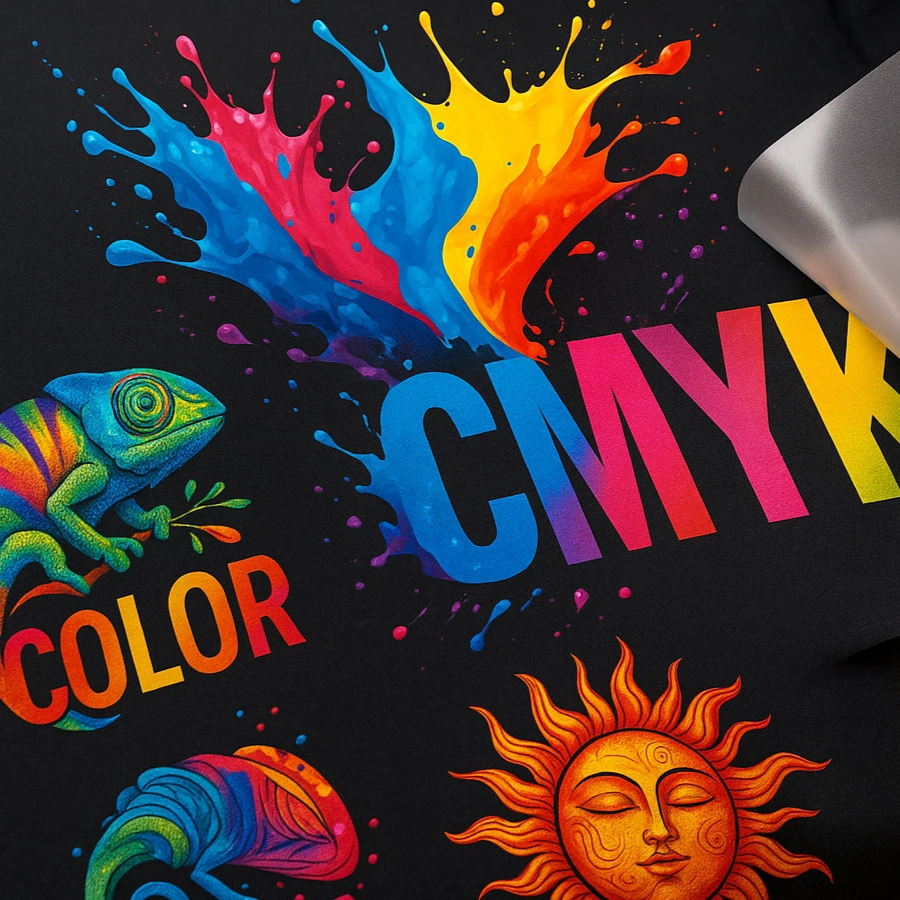
DTF (Direct to Film) transfer is a digital printing method where a design is printed onto a special film and then transferred onto fabric using heat and pressure. This technique produces vibrant and durable prints and works well on cotton, polyester, and blended fabrics.
How do I apply a DTF transfer and what heat press settings should I use?
How do I apply a DTF transfer and what heat press settings should I use?
Heat Press Settings:
Every heat press is different, so finding the right settings is important. Start with a temperature of 325–350°F for 8–15 seconds using maximum pressure. Run a few test presses to determine the best combination for your machine and fabric to achieve consistent, high quality results.
Preparation and Printing:
Place the DTF transfer on the desired area of the garment. Make sure the fabric is flat and free of wrinkles. Apply heat using the recommended temperature, time, and maximum pressure.
Hot Peel Instructions:
Peel the film immediately while it is still hot to ensure proper adhesion. Peel the film sideways rather than pulling upward. If any part of the design does not fully adhere, cover it and press again for a few seconds with heat and pressure.
Second Press (Recommended):
For improved durability, cover the transfer with parchment paper, kraft paper, or a Teflon sheet and press again for a few seconds. This helps secure the design and improves its longevity.
Washing Instructions:
Turn the garment inside out before washing. Wash using cold water. Air dry when possible or tumble dry on low heat.
What is UV DTF Printing and How is it Different?
What is UV DTF Printing and How is it Different?
UV DTF is a type of DTF printing that uses ultraviolet (UV) light to cure the ink after printing. This curing process makes the print surface more durable, scratch-resistant, and fade-resistant. UV DTF is ideal for outdoor products or applications that require extra durability.
What Are the Advantages of DTF Transfers?
What Are the Advantages of DTF Transfers?
- Produces soft and flexible prints without changing the fabric’s feel.
- Delivers vibrant, long-lasting colors.
- Suitable for complex and multi-color designs.
- Cost-effective and fast production process.
- Compatible with cotton, polyester, and various fabric types.
How Should I Care for Garments Printed with DTF Transfers?
How Should I Care for Garments Printed with DTF Transfers?
- Wash inside out at 30-40°C (86-104°F).
- Avoid bleach or harsh chemicals.
- Tumble dry on low heat or air dry naturally.
- When ironing, use a protective cloth and avoid direct contact with the print.
Is DTF Printing Suitable for Small Batch Orders?
Is DTF Printing Suitable for Small Batch Orders?
Yes, DTF printing is highly suitable for small batch orders because it doesn’t require screens or plates like traditional screen printing. This allows for quick setup and cost-effective production, making it ideal for custom designs or limited runs.