Key Highlights
- TPU makes UV DTF printing more flexible, ensuring that cracking does not occur on curved or stretchable objects.
- It Provides better adhesion on difficult surfaces such as leather, glass, plastic, and metal surfaces.
- TPU in 3D UV DTF Printing increases resistance to wear and tear, water, and sun exposure.
- It allows for luxurious surface textures like soft touch, embossing, and rubberized surfaces.
- TPU in 3D UV DTF Printing creates more business opportunities through customization and branding.
TPU or Thermoplastic Polyurethane is transforming the 3D UV DTF Direct to Film printing industry. If you are a business or apparel manufacturer seeking print solutions which provide higher durability and flexibility together with better visual appearance, then TPU UV DTF printing is a better choice than traditional label printing. The standard materials designed for general use will develop cracks and peels while losing their ability to stick over time, but TPU provides flexibility together with strength which makes it suitable for use on surfaces that undergo bending and stretching.
TPU sticker printing provides industrial labeling, promotional product applications, and fashion accessory uses with a durable protection which produces an upscale appearance. If you would like to start using it for your own business, this blog is for you.
Below, we will explore TPU in depth, from its properties to practical benefits, helping you make informed decisions for your printing workflow.
Understanding TPU in 3D UV DTF Printing in Simple Words
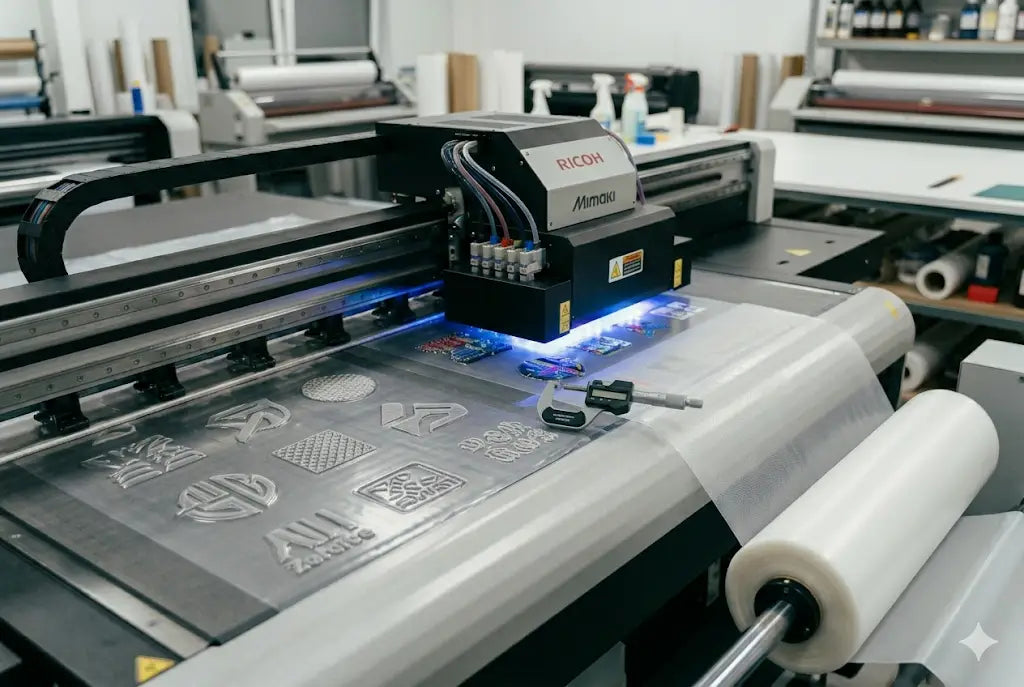
Thermoplastic Polyurethane TPU is a flexible rubber-like polymer that exhibits both elastic properties and durable performance. The flexible dtf printing material TPU helps 3D UV DTF printing create raised textures with multiple layers to achieve high-depth designs and logos that look great on uniforms, team jerseys, leather products, and much more.
The printed designs are able to adjust their shapes according to movements on the surface while maintaining their original design integrity. The product creates a premium soft rubberized finish which protects against scratches making it highly suitable for branding and decorative applications.
Key Benefits of Using TPU in UV DTF Printing
The TPU material used in 3D UV DTF printing provides multiple advantages, with its flexibility as the main benefit.
- Traditional UV prints develop cracks when they get used on surfaces that bend or stretch, but 3d UV DTF transfers maintains its shape through these types of movements. This makes it ideal for items like phone cases, wearable accessories, and curved packaging.
- The material brings two primary advantages that strengthen its value. TPU shields against both abrasive impacts and chemical substances and all types of environmental damage which includes UV radiation and water exposure. As a result, the prints maintain their original appearance for a long time.
- UV DTF printing process helps materials stick together better when applied to multiple surfaces. The TPU adhesive creates a strong bond with glass, metal, plastic and leather surfaces, which prevents any material from detaching or lifting. This creates more possibilities; you can create different types of products and sell to customers without any constraints.
- TPU gives designers greater freedom to create aesthetically pleasing products. You can create three-dimensional raised textures and custom design elements which give their work extra depth and improved visual appeal. The soft-touch material raises customer interest because it boosts the perceived value of the product.
- UV DTF TPU film supports eco-friendly practices through its use in specific operational processes. Its durable nature permits extended usage, which stands between reprint instances and product replacement needs, thus decreasing waste while promoting efficient operation.
Applications of TPU in 3D UV DTF Printing
-
TPU exhibits multiple properties which enable its use across diverse applications, including UV DTF for fabric printing. Branded phone cases and keychains and custom accessories represent one of the most common applications of this material. The items made with TPU material because of its flexible nature and durable properties create prints which last for years.
-
The fashion and apparel industry uses TPU for decorative elements on bags, shoes and outerwear. The material provides the best solution for wearable items because it combines both comfort and resilience through its ability to stretch and move with the user.
-
Industrial labeling stands as another major use case. TPU-enhanced prints demonstrate resistance against extreme environmental conditions which include chemical exposure and high temperatures and physical damage. The products serve as industrial protection for machinery labels and safety markings and equipment branding.
-
TPU is best for home décor and lifestyle products. The combination of glass panels and decorative tiles and personalized gifts enables customers to create textured high-quality prints which maintain their appearance.
-
The demand for TPU in high-end packaging continues to grow. Through 3D UV DTF printing with TPU brands can create tactile logos and designs which improve the unboxing experience while strengthening their brand identity.
Conclusion
The TPU material revolutionizes 3D UV DTF printing through its unique combination of flexible yet durable properties and high-quality tactile textures which existing materials cannot provide. The product functions as an essential tool for contemporary printing operations because it can adapt to multiple surface types while preserving print quality and improving visual results. Companies that use TPU technology can create design opportunities with superior products.
Printers who want to remain competitive should evaluate TPU solutions to improve their printing capabilities. Start giving your ideas shape through process testing which will help you build your designs into reality through superior performance.
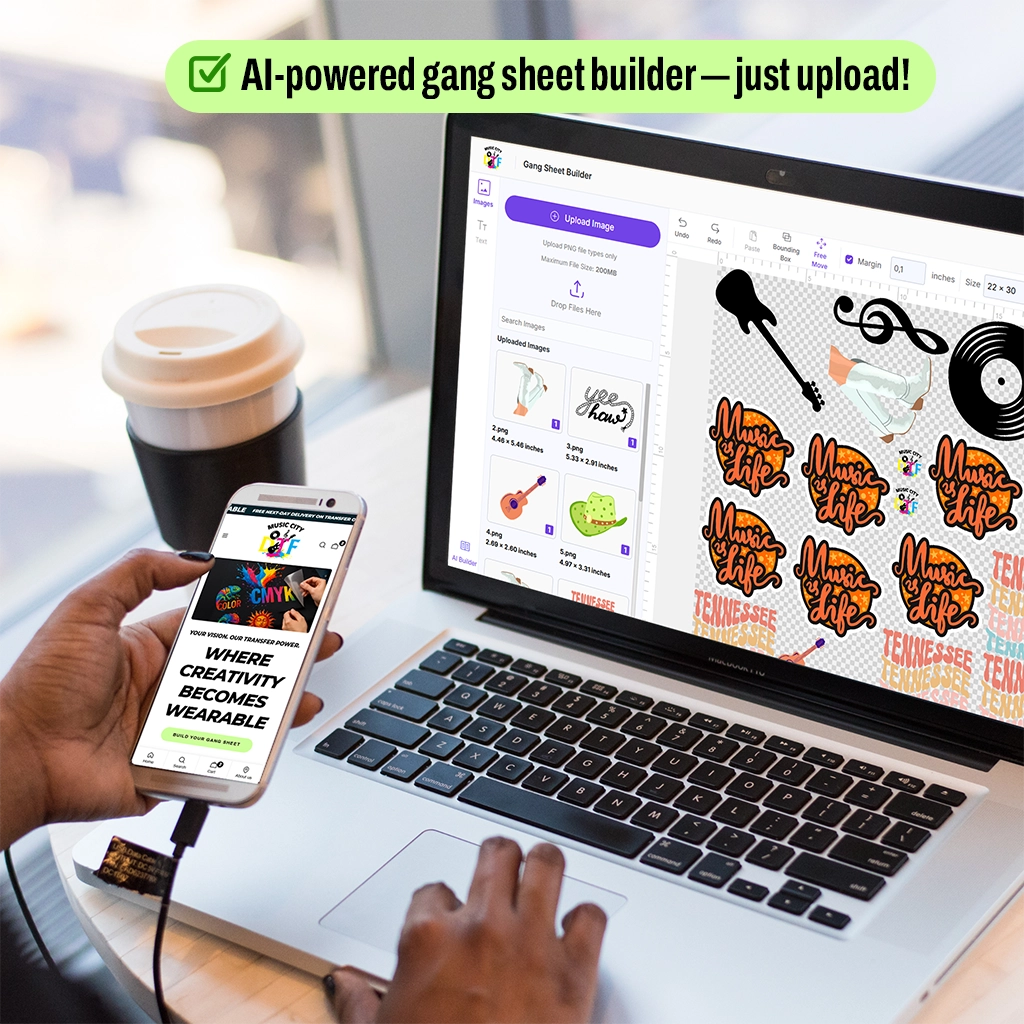
Want to get started with UV DTF? Try our UV DTF Sample Pack and UV DTF Gang Sheet Builder.
FAQs
1. What is special about TPU ink in comparison with UV inks for DTF technology?
The main distinctive feature of TPU inks is their flexibility and elasticity. While other inks harden, TPU stays soft and elastic and, therefore, can stretch and bend together with other flexible materials. Thanks to such characteristics, TPU can stick better to various surfaces and keep the shape and integrity of the printed design on them.
2. Can 3d UV DTF TPU be used with any surface?
TPU works perfectly with many different surfaces. You can use it to print designs for glass, plastic, leather, and metal surfaces with coating. Nevertheless, TPU will not work with each surface in the same way, and, sometimes, some preparation would be necessary before you can apply it successfully. Cleaning and testing your surface may help you achieve better results.
3. Does the use of TPU influence resolution?
No, using TPU will not affect resolution at all, provided you do everything right during the process. Actually, thanks to TPU, it becomes easier to retain the details of the pattern without cracks appearing due to inelasticity and stretching.
4. Are TPU prints resistant and durable?
Yes. The UV DTF prints that include TPU are extremely durable and able to withstand abrasions, moisture, UV rays, and other forms of wear and tear. Because of their resilience, they can be applied in both indoor and outdoor environments and provide long-term performance, especially when it comes to items that are frequently handled.
5. Can TPU prints be applied outdoors?
Certainly. The material used for prints can withstand any external factor, such as sun rays, moisture, and variations in temperature. Consequently, prints stay in perfect condition for a relatively long period of time. It is why TPU prints should be used for outdoor branding and labeling to achieve reliable results.
6. Is TPU print cheaper than UV prints?
TPU prints may be somewhat pricier than conventional ones because of the special characteristics of this material. Nevertheless, it would be reasonable to pay additional money, considering the high durability and unique properties of TPU.
7. How does flexible UV DTF printing help customer satisfaction?
TPU makes the product more reliable due to its high-grade soft touch finish that is not only aesthetic and pleasing but also durable. Items made out of TPU do not easily crack, fade, or peel off. Such reliability allows clients to enjoy better customer experiences and encourages them to buy again from the same brand.
8. Will I need specialized equipment to print using TPU?
For the most part, it should be possible to use standard UV DTF printers to print TPU. However, some modifications might be necessary to accommodate the material. The use of specialized film or ink might also be necessary in certain workflows for optimal outcomes.
9. Which industries benefit most from TPU in UV DTF printing?
Fashion, promotion, packaging, and even industrial manufacturing are some of the industries that would benefit from TPU printing in DTF printing using UV technology. This is because it can be used to print anything from clothing accessories to high-grade branding.
10. Is TPU compatible with other printing processes?
Yes. Textured sticker printing is able to be mixed with other printing processes to improve the design and performance of the product. By using TPU material in UV DTF printing technology and mixing it with conventional printing, it is possible to generate an interesting combination of layers and finishes.