Key Highlights
- DTF printing requires lower startup costs compared to many traditional printing methods.
- The technology supports printing on multiple fabric types, which include cotton, polyester, and blends.
- Small businesses can produce custom apparel quickly without complex setup processes.
- The growing demand for personalized clothing creates new profit opportunities for print businesses.
- DTF printing allows efficient small-batch production while reducing waste.
The custom apparel industry has reached its peak of competition in 2026. The three types of businesses, which include online retailers, local fashion brands, and promotional product distributors, require dependable printing systems that can produce uniform results. DTF transfers meet these needs by delivering superior color performance and long-lasting results, plus adaptable manufacturing options.
Businesses can easily print detailed designs, logos, and artwork while maintaining fast turnaround times and strong DTF printing profit margin potential. Want to get started with DTF in 2026? Read on!
1. Lower Startup Costs Make It Accessible
In 2026, DTF printing achieves profitability because businesses need only pay for basic operational expenses. The operational requirements of screen printing establish a need for multiple machines along with various screens, chemical substances, and extensive work areas. These expenses create substantial obstacles that prevent new businesses from entering the marketplace, which makes managing DTF printing startup costs an important factor for beginners.
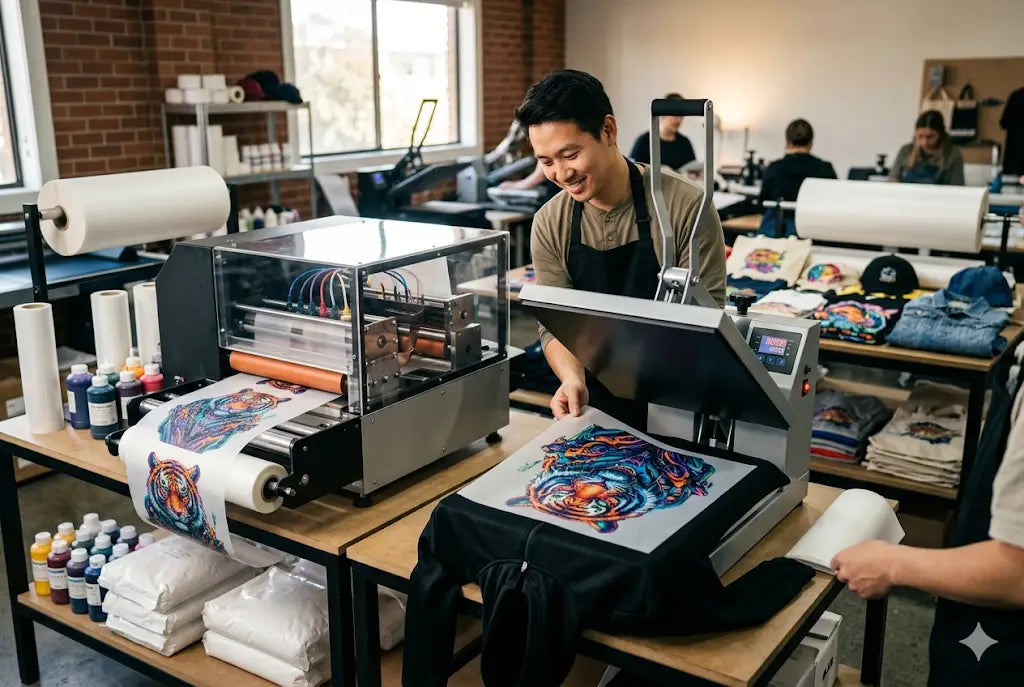
DTF printing, however, simplifies the process. To start production operations, one needs only a DTF printer, film, adhesive powder, and a heat press. The need for smaller equipment enables entrepreneurs to start their printing companies with minimal funds. Businesses can achieve faster revenue generation because they need less time to establish their operations while controlling overall DTF printing equipment cost.
2. Ability to Print on Multiple Fabric Types
DTF transfers enable printing on multiple fabrics because they are not restricted to particular materials, which some traditional printing methods require. The same printing process enables printing on cotton and polyester and textile blends and specific synthetic materials, which allows businesses to manage DTF printing supplies cost-efficiently.
Businesses can use this feature to create additional product options that they can sell to customers. For example, DTF technology enables the production of custom t-shirts, hoodies, tote bags, sportswear hats, and promotional apparel. Businesses can use multiple fabric types to meet the needs of different customer segments, which helps them access multiple markets and develop an effective DTF printing business model.
3. Faster Production and Small Batch Flexibility
Printing companies need to achieve both speed and efficiency because these two elements serve as essential components of their successful operations. The DTF printing process enables businesses to complete their work through an efficient system that enables them to finish their orders without needing extra time for preparation work. Additionally, DTF printing enables designers to work with complicated graphics through its streamlined setup process, which requires less than screen printing's need for separate screens dedicated to each design element and color, which supports a practical DTF printing pricing strategy.
The majority of contemporary consumers search for products that allow them to create customized items or acquire designs that exist in limited quantities. The printing industry faces increased costs when it uses conventional methods for printing small quantities of products, while DTF printing enables businesses to complete these tasks without raising their operational expenses.
Conclusion
DTF printing continues to prove itself as one of the most profitable technologies in the custom apparel industry. It provides an ideal solution for business expansion in 2026 because it requires low startup expenses, supports various fabric types, and delivers quick production times together with high-quality print outcomes.
As the demand for personalized clothing and branded merchandise continues to rise, DTF printing offers a reliable way to produce high-quality designs while maintaining strong profit margins.
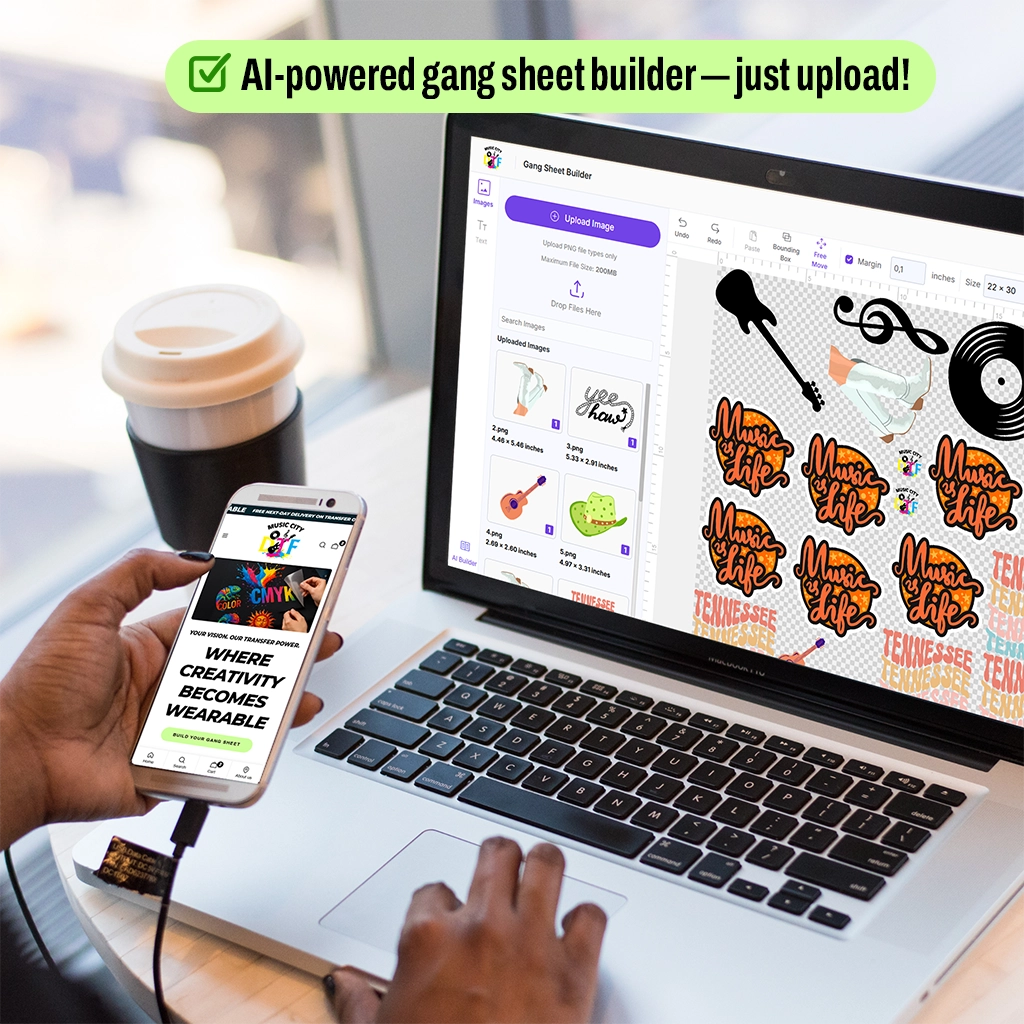
Want to start printing apparel in 2026? Try our free DTF Sample Pack and Gang Sheet Builder to start experimenting.
FAQs
1. How did DTF printing become a successful business model during 2026?
The low startup costs, combined with flexible production capabilities and small batch printing, support DTF printing as a profitable business model. It enables companies to deliver various customer solutions because it functions on multiple fabric materials while managing intricate design work streams and their associated operational costs, which are key DTF printing profitability factors.
2. What are DTF printing operations and their role in business profitability?
Direct-to-Film printing refers to DTF printing, which uses a special film to transfer inked designs onto fabric through a combination of adhesive powder and heat application. The method enables businesses to create colorful products with detailed designs, which they can print on various fabric materials while maintaining a healthy DTF printing profit margin.
3. How can businesses benefit from multiple fabric printing capabilities?
DTF enables businesses to print across different garment types, which include t-shirts and hoodies, sportswear, and bags. The use of multiple fabric materials enables companies to develop new products for various customer markets, which results in greater profit potential while controlling DTF printing supplies cost.
4. Why do small businesses find DTF printing more profitable than screen printing?
DTF printing and screen printing each have advantages. Screen printing works best when executing large volume production runs, which need basic design elements. DTF printing offers production advantages because it enables rapid creation of small-volume orders that contain intricate visual elements.
5. How do DTF printing equipment requirements create financial benefits for startup companies?
The equipment requirements for DTF printing create financial benefits for startup companies because they need multiple machines. DTF provides small businesses with an effective solution because they require only basic machines to start their production process, which they can expand later when their needs increase, resulting in reduced DTF printing startup costs.
6. Can small businesses establish profitable DTF printing enterprises in 2026?
Yes, DTF printing is very suitable for small businesses and startups. The lower startup costs and simpler production process make it accessible for entrepreneurs. DTF technology enables home-based and small printing shops to create custom apparel and promotional products and online store merchandise without needing large commercial printing facilities, which supports a scalable DTF printing business model.
7. How does DTF printing support brand identity and complex designs?
DTF printing works effectively for creating complex designs that contain gradients, small text, and intricate graphical elements. The design maintains its high resolution and excellent color vibrancy because designers print it directly onto film before they transfer it onto fabric, which contributes to higher DTF printing startup profit.
8. Why is the speed of DTF printing advantageous for business profitability?
The DTF printing process achieves its printing speed because it executes tasks faster than most conventional printing techniques. The design becomes ready for immediate heat pressing onto the garment after the printing process finishes and the adhesive powder application occurs, which helps businesses improve their DTF printing pricing strategy.
9. How will the growth of the custom apparel market affect DTF profitability in 2026?
The custom apparel market will drive DTF profitability in 2026 because of its ongoing expansion, which matches consumer demand for customized clothing and branded products. DTF printing technologies enable businesses to meet client needs through their capacity for fast production and versatile design printing, and their ability to handle small production runs.
10. What role does DTF printing play in reducing operational costs for small businesses?
DTF printing reduces operational expenses for businesses because it needs fewer machines and shorter setup times, and generates less material waste than traditional printing methods. The process allows businesses to produce small quantities of products because it requires no expensive machinery or additional staff, helping them maintain their profit margins while expanding to meet customer demand.