News


Start a DTF Business: A Guide to Building a Home-Based DTF Business in 2025
DTF printing is all the rage now, and 2025 looks even bigger. Starting a DTf printing business from home is simpler and could earn you more money than before. The reason is the use of better materials (film and powder), as well as a high demand for personalized clothing. But how do you start a DTF business from home without substantial upfront costs? It’s not as technical as it may seem. If you’re a side hustler, love making DTF designs, or just want to start a business that could turn into your primary source of income, then you need to look into the basics and the technical aspects of DTF printing. In this post, we’ll explore five tips to get you set up right. This will save you from the common mistakes many newbies make when preparing, creating content, and sharing it. So let’s get started and help you create a DTF business that’ll pay for years to come. 1. Start a DTF Business With The Basics To start a DTf printing setup at home, you don’t have to buy everything you see online. Stick to the basics. Pick out a good DTF printer Don't automatically get the biggest, most expensive machine. Many shops can get by with a basic desktop DTF printer. Find printers that: Hold colors well and withstand extreme environments. Doesn’t require a lot of fixing or intensive maintenance. Have the parts and support you need when you need them. Invest in a good heat press A heat press should be the number one item on your home DTF business equipment list. A good starting point is machines like the HTVront Auto Heat Press, Cricut EasyPress 3, Fancierstudio Power Heat Press, and Vevor Heat Press. There's no need to invest a ton of money in equipment right off the bat, but make sure to invest in a quality heat press. A cheap or lower-quality heat press can compromise your designs, disrupt your operations, and result in wasted material and dissatisfied customers. 2. Know The Expenses (and Charge Enough) DTF printing for small business includes a plethora of things that require initial investment. However, you need to know exactly where to put your money to avoid overspending. Figure out your production costs Besides film and ink, add: Adhesive powder Cleaning supplies Print head fixes Packaging (bags, labels, boxes) Shipping materials And count your time! An hour spent prepping designs or packing orders is a real cost. Add Some Extra Money.Once you know the cost per transfer or shirt, add a bit extra. It may depend on your location, but aim for at least 40–50%. If people like your stuff, you can charge even more. Fast shipping or made-to-order designs can increase people's desire for your product. Smart pricing helps any DTF transfer business startup grow sustainably. 3. Find Your Crowd With home-based t-shirt printing business using DTF, you can fulfill orders for multiple niches, but you can’t serve everyone. Finding a particular crowd will not only set you apart but will also help you dominate a specific niche for better margins. Look at Top Themes and Fad Start on Etsy, TikTok, and Facebook. Check: Designs that get shared a lot Colors or fonts that are popular Famous memes, sayings, and characters The popularity of specific trends and elements can provide valuable insights into what to print next. Try Your Ideas Out First Try out a few designs before you buy a lot of materials. Do pre-orders or small batches and see what hits with DTF Sample Packs. Good judgment allows you to narrow your list and avoid wasting money on unnecessary items. This step matters whether you’re running a DTF business from home or scaling later. 4. Be Good At What You Do Even a tiny home-based DTf printing shop needs a proper setup. It saves you time and keeps your customers happy. Make a Plan From Start to Finish Make a plan for: Artwork Printing Heat press Packing Having a clean work area and setting times helps things go smoothly, even at home. Check Prints Before Shipping Quality is key, like double-checking: No lines or streaks Colors are right Edges are covered Transfers stick properly Double-checking everything before you ship out your order will save you from bad reviews and dissatisfied customers. 5. Get the Word Out Beyond Your Inner Circle You'll likely start by getting orders from friends and family, but to take off, you need to spread the word about your business. Show Off Your Work with Pictures on Social Media Visual platforms like TikTok, Instagram, and Pinterest are excellent for showcasing DTf supplies for beginners and finished work. Try sharing: Short clips of your printing process Before and after shots Pics of finished projects or satisfied clients Posting regularly helps people trust you and remember your brand. Sell Where People Are Already Shopping Consider listing your stuff on places like: Etsy (if you do personalized transfers or small shirt orders) Facebook Marketplace (if you want local buyers) Shopify or Wix (if you want your own website) Each place has its pros and cons. For example, Etsy already has a large number of people searching for unique designs. A website allows you to protect your brand and stay connected with your customers. It’s a strong start for anyone learning how to start a DTF business. So you need to incorporate more than one marketing technique to launch your business. DTF Business Tips For Beginners Starting DTF printing at home in 2025 isn't about having the fanciest printer or the best designs or artworks; it's about having the right tools. It's about: Choosing solid equipment Pricing your items so you make a profit Focusing on a specific group of customers Always providing good work Marketing in a creative way If you plan well and keep your customers satisfied, you can build a thriving business, whether it's a side hustle or your full-time endeavor. Final Thoughts Want to start a DTF business from home in 2025? It’s not that complicated if you know your customer base, price things to turn a profit, and build trust and loyalty. The most important thing is finding a dependable supplier, such as Music City DTF, to ensure that you can fulfill your customers' demands without delay. Test designs first. Keep things fresh and discover what makes your work truly unique. Plan carefully, get the proper support, and watch your small side hustle grow into something huge. Want to see what your designs look like as actual transfers? Order a DTF sample pack first. See the quality, test the colors, and get your home business going with some assurance.
Learn more
How to Sell DTF Transfers on Etsy: Your Step-by-Step Guide to Success
If you are considering establishing an online shop or looking to sell DTF transfers on Etsy, you need more than just an investment. Millions of people search for unique, custom products, including customized prints and transfers, creating opportunities for side hustlers and entrepreneurs. If you're into printing and looking to start a profitable business, then DTF is the right choice, paired with marketplaces like Etsy. Although you have made a good decision, success is not as simple as posting a few listings and hoping for sales to come in. You need to start DTF business on Etsy that attracts the attention of those millions looking for unique transfers. Here is a step-by-step plan to help you launch, promote, and grow your Etsy DTF transfer business, enabling you to attract repeat customers, differentiate yourself, and maintain high profit margins. 1. Sell DTF Transfers on Etsy for a Specific Market Research your market before putting your transfers online. How do you locate your niche among the thousands of Etsy retailers selling transfers, decals, and custom DTF clothes? Find demand for DTF transfers on Etsy by researching the market. Here's what you can do. Discover what is already for sale. Check for terms like DTF transfer, unique heat transfer, or Etsy transfers to find the search volume and understand what people are looking for. Watch for common patterns, color palettes, and price ranges that attract the most clicks. See what attracts the most likes and comments. The best DTF products to sell on Etsy are already available and can provide valuable insights. Think about various niches: Pet lovers, holidays, sports teams, little corporate slogans, or stylish pop culture designs. To stand out in Etsy DTF printing, look for gaps in your competitors' offerings and see how you can provide fresh content to fill them. Establish your USP (Unique Selling Proposition) Focus on highly eye-catching patterns, witty slogans, or ready-to-press designs. Add metallic effects, vivid colors, or eco-friendly inks to your transfers. Learning how to make money selling DTF transfers on etsy starts with finding your style. A clear niche aids in brand development and helps customers to remember your company. 2. Create a Reliable, Expert Business On Etsy, trust is all-important. Between being ignored and getting clicks, a well-made, consistent brand could make all the difference. Make a stunning exhibition at your store entrance Create a logo and banner that reflects your company's unique vibe. Write an 'About' section describing your start, the motivation behind your ideas, and the methods and processes you use to create your transfers. Understanding the background behind what they buy strongly attracts consumers. Your Etsy DTF shop can appear more professional if your customers have exclusive access to behind-the-scenes. Create clear store policies for custom orders, shipping, and returns to raise credibility. Use top-notch mockups and images Good images help sell your goods. Use high-resolution mockups that show your transfers printed on actual t-shirts, hoodies, or tote bags. Include close-ups of print quality and color vibrancy. Custom DTF transfers for sale look better when buyers see real-life examples. Show your transfers on actual finished goods. 3. Create Lists That Convert Leads Your listing pages do the selling when you can't. So pay extra attention to them. Develop detailed product descriptions Include dimensions, hues, material suitability, application guidelines, and care information. Describe your manufacturing process; DTF transfers are in great demand because of their tenacity and minute detail. Successful suppliers usually sell DTF prints on etsy through detailed listings. For clarity, use bullet points and a brief paragraph explaining why your design is unique. Make use of keywords to improve Appropriate search terms should be highlighted in your title, tags, and description. From a customer's point of view, consider the terms they would search for before creating your DTF transfer shop setup on Etsy. 4. Price for Profit Rather Than Only for Sales Though it sometimes yields fast sales, undercutting rivals seldom results in a stable company. Understand your actual costs Consider design time, film, powder, ink, Etsy listing costs, and transaction charges. Don't overlook shipping materials and your own time. How to sell DTF transfers successfully means knowing your numbers. Include a reasonable profit Ensure that every transaction benefits your company, not just covers expenses. Provide packages and upsells Offer sets of designs, bulk gang sheets, or matched stickers. Bundles raise the average order value; little upsells, such as personalization, can help you increase profit. DTF printing business usually thrives with bundle packaging. 5. Advertise Your Etsy Store Proactive marketing is critical to building momentum. You need to make a calculated effort to help your customers find you on Etsy. Simply listing your store won't help. Post on social media Use Instagram, TikTok, or Pinterest to share application lessons, behind-the-scenes videos, and product images. Use hashtags such as #DTFtransfers, #customtransfers, or niche ones like #momhustle or #smallbusinessmerch. Etsy DTF printing content can go viral when done right. Connect with other producers, post client images, and answer questions to foster trust and involvement. Encourage reviews and frequent purchases Contact buyers to see if they enjoyed their transfers. Good reviews enhance credibility and search position. Launch seasonal designs or offer coupon codes for recurring orders. Best DTF products to sell on Etsy vary by season. Essential Tips for Etsy Entrepreneurs First, find your niche and make DTF transfers that are unlike anything else out there. Take some clear, well-lit pictures, and write descriptions that are easy to understand. Treat your customers exceptionally well, so they return for more. Promote your DTF transfers on social media to help customers find you. Try out various product and price combinations to determine what your customers truly want. And most importantly, stay on top of what's trending and always find new ways to promote your designs! Final Thoughts Picking the right supplier matters as much as creating great designs. If you want to sell DTF transfers on Etsy and have happy customers who return, you need transfers you can count on. Music City DTF provides excellent, consistent quality that helps your store stand out. Pair your amazing creative work and innovative marketing with dependable materials, and you’ll be able to create a lasting business on Etsy that converts your ideas into real, consistent income. Ready to start your Etsy journey? Try our DTF sample pack first to evaluate print quality, color vibrancy, and feel.
Learn more
Wholesale DTF Transfers: How to Find the Right Supplier
DTF printing has changed custom clothing with wholesale DTF transfers. It’s now simpler, faster, and more cost-effective to produce anything from single items to large orders. However, running a store or brand, or even just creating custom shirts and hoodies, often comes down to one thing: selecting the right DTF transfer supplier. A good supplier means less stress, quicker deliveries, lasting quality, and sharper prints. A poor choice can result in missed deadlines, wasted resources, and dissatisfied customers. Reliable DTF wholesale suppliers can lower your expenses and make sure you have enough stock so that you can run a successful business for a better ROI. In this post, we’ll talk about how to find the perfect supplier to boost your DTF side-hustle project and build a business that sticks around. 1. Gauge Your Requirements for Wholesale DTF Transfers Before selecting a vendor, ensure you are clear about what your company truly needs. This helps you look faster and prevents overspending. Calculate your Transfer volume. Some wholesale distributors offer large minimum order quantities (MOQs). You might not require thousands of monthly transfers if you organize local events or own a small Etsy company. Learn how to choose DTF transfer supplier for apparel printing by understanding: Your usual monthly order amount. Estimates for active seasons (holidays, sports seasons). Whether you seek small batches or test run flexibility. Where to buy DTF transfers in bulk becomes clearer once you know exactly what you are looking for. Know the transfer specifics. Specify the size and type of the transfers you want, such as pocket logos or big chest prints. Decide on your colors: metallics, neons, gold, or bright hues. Select your fabrics: Nylon, blends, poly, and cotton materials. Choose between durability, detail, or distinctiveness in inks. Look for vendors who can fulfill those requirements promptly. 2. Evaluate Print Quality Your customers worry about quality; hence, you should always evaluate print quality. Use the vendor's DTF transfer wholesale pricing guide to match quality with price, ensuring you pay for premium prints. Request sample packs Most professional suppliers offer low-cost or free sample packs. Try them on your products to test wash resistance, texture, color vibrancy, and edge sharpness. This is a crucial step because what may appear high-definition on screen could be disappointing in reality. Reliable DTF transfer vendors often display real samples to demonstrate trust. Check the batch's consistency. Even if a supplier creates beautiful ones, you must determine whether they can consistently produce high-quality samples. Check if they can: Match Pantone hues? Have proof of work? Have well-established quality control methods? 3. Check for More Than Pricing Although it's alluring to choose the lowest cost, cheap transfers that break, fail to arrive, or arrive late can lead to more refunds and lost customers. Best DTF transfer wholesale supplier in USA will always balance price with reliability. Understand the pricing approach. Wholesale DTF transfers’ prices usually vary depending on the following factors: Sheet sizes, colors or particular inks, discounts based on quantity, and custom pricing for urgent orders. A reliable DTF film supplier should have a pre-determined price for every aspect. Review the payment conditions. Reliable vendors should have policies for Turnaround times, payment options (such as credit card or bank transfer), and reimbursement in the event of an error. Clear rules reduce unforeseen incidents. 4. Investigate Vendor Reputation A good wholesale supplier is a business partner, not just a printing company. Reliable DTF transfer wholesale suppliers have a solid reputation backed by social proof. Read reviews and consult with fellow business owners. Consider: Etsy boards Facebook groups for print-on-demand Reviews on Trustpilot or Google Comments on: Rate of communication Solving issues Reliability of deliveries Review over several years, not just months, to understand the vendor's longevity. DTF printing supplier should have a proven history that speaks for itself. Verify their customer service. Before making a large order, send an email or call with questions like: "What's your usual turnaround for 50 gang sheets?" “Can you print metallics or neons?” What file types will you accept? Fast, functional responses today often translate into more support later. If they are slow to respond, it suggests that they don't take customer support seriously, which is an essential factor to consider. 5. Consider Flexibility and Scalability Your company might develop or change direction in the next few years. Select a vendor that can grow alongside you. Could they increase with your directions? Ask: Should your brand become successful, can they manage larger runs? Do they provide fulfilling or dropshipping services? Changing suppliers when your business has started to take off is risky and stressful. That is why checking for bulk DTF transfers options is essential to prepare beforehand. Once you scale, your vendor can provide a consistent supply to meet the growing demand. Additional services might set you apart Some DTF wholesalers also include: Customized packing Designing assistance Printed labels or branded heat press directions These small improvements can help your company appear professional and establish a lasting DTF business. Final Thoughts Choosing the right printing company for wholesale DTF transfers and custom printing can save you technical hassle and provide you with quick, high-quality prints. Sign up with the wrong vendor, and you may face late deliveries, financial losses, and unhappy customers. Before making a decision, carefully consider your needs. How much printing do you need? Know exactly what kind of transfers you want. Consider sizes, if you need prints combined, and if you wish to use flashy or metallic colors. Also, be aware of the materials you plan to use. Order samples and try them out. See how they feel, stretch, and wash. Also, check that the colors are good. Things can look different in person than they do on a computer screen. Besides obtaining samples, verify that the printer can maintain consistency, accurately match colors, and provide previews before printing. Ready to get started? Try Music City DTf's DTF sample pack and UV DTF sample pack to test print quality and make an informed decision about the vendor.
Learn more
Custom Apparel Pricing for Profit: 5 Ways to Price Custom DTF Apparel for Higher Margins
Custom apparel pricing is a crucial aspect of DTF shirt printing. Particularly when using Direct-to-Film (DTF) printing, running a custom apparel company can feel like a complex juggling act. Even if you want to stand out with competitive pricing, you must make sure your company is not merely breaking even. Higher margins result from purposeful pricing strategies that consider costs, client perceptions, and the market, rather than random pricing. In this post, we will go through tactics that'll help you learn how to price custom t-shirts, and explore five innovative ways to price DTF transfers so you're building a sustainable and successful company rather than simply selling t-shirts with limited revenue. 1. Custom Apparel Pricing: Go Beyond Ink and Shirts Setting prices, many businesses concentrate just on the direct cost of blanks and ink; real profitability, though, starts with seeing the whole picture. Add Hidden Production Costs Your DTF prints require preparation time; it covers film, adhesive powder, heat press power, and your own design, printing, and pressing hours. Costs accumulate even for small items, such as maintenance on the heat press, cleaning supplies, and software subscriptions. By noting every hidden and frequent cost, including packing and postal labels, you can determine your genuine cost per shirt.Include this in your dtf printing cost breakdown and use it in your dtf apparel pricing guide. Include Your Time as True Worth Money is time. Whether you're creating visuals, compiling gang sheets, or communicating with customers, these hours should be valued. Set your own hourly rate and add it to the production cost to ensure that your profit reflects your work, even when you run a one-man company. Understanding the actual price of every product will enable you to price your custom DTF transfers and protect your profit, even if the market shifts. 2. Include Perceived Value Rather Than Simply Cost-Based Markups Many beginners use a basic formula: total cost multiplied by markup. They generally skip experience, design, and creativity. Price your transfers with everything in mind, including the supplies and the talent that goes into making the final product. Provide Original Patterns Premium rates may be demanded for limited edition collections, collaborations with local artists, or seasonal releases. Customers see them as premium rather than normal, and thus are willing to pay more. Wisely use scarcity: announce modest runs to create demand and justify higher pricing. Increase Your Brand Visibility Better packaging, branded tags, and professional product shots increase perceived value. To the customer, a $25 tee given with premium mocks, narrative, and a single website feels worth $40. Consistent branding and professional graphics make your product a lifestyle item, not just a piece of clothing. Clients initially purchase emotionally, then justify the purchases later. Enhanced perceived value shields your margins and helps you negotiate more favorable pricing. 3. Tier Your Pricing Each product does not need to have a specific price range. Innovative companies use tiered pricing to capture several levels of consumer buying power. Arrange Good, Better, Best Options Offer, for instance, a basic tee at a reduced price, a mid-tier premium fabric shirt, and a top-tier alternative with personalized packaging or embroidered additions. Typically, the top-tier product has the largest margin; the entry-level product helps keep your brand accessible. Use Extras and Upsells With Careful Consideration Personalization offers opportunities, such as including a name or number, coordinating caps, or package savings on multiple products. These tiny add-ons only provide you with a significant profit per order. Offering gift wrapping or expedited delivery at checkout can increase revenue without incurring additional manufacturing costs. Tiered pricing allows you to profit more from customers willing to pay, while keeping your store affordable for budget-conscious shoppers. This is an excellent pricing strategy for apparel brands looking to increase custom clothing profit margins. 4. Know Your Competitors and Your Market You cannot price accurately in isolation. Research your rivals to grasp the range of possibilities, not to imitate, but to excel. Check the pricing tiers offered by your competitors and adjust your pricing accordingly to provide customers with a better, more affordable option. Explore Comparable Companies and Markets Consider dtf printing business brands targeting a comparable style or audience. Pay attention to their pricing, shipping expenses, and product description. Determine where your offer belongs: Do you offer faster turnaround, better custom-made designs, or higher quality? This helps to support your price range. Understand the Spending Patterns and Budget of Your Perfect Client Are you targeting high school sports teams, small business merchandise, or streetwear enthusiasts? Different markets accept different price ranges. While small business owners may value affordability over exclusivity, streetwear consumers are willing to spend $ 60 or more for a distinctive design. Matching your price to what your perfect client is ready to pay (and expects) means you won’t leave money on the table. 5. Include Margin in Your Strategy, Not Just the Price Tag Profitability is determined by how you design your whole company around preserving your margin, not just the sticker price. Batch Production to Reduce Unit Costs Rely on DTF business profit tips, such as using gang sheets and batch printing to create several patterns simultaneously. Spreading film and press charges across more shirts helps to reduce the per-shirt expense. This lets your prices stay competitive without lowering your profit. Price Your Custom DTF Transfers Depending on Demand Raise the price slightly or create a "premium" version. High-demand goods have greater margins because scarcity increases value. Also, use limited-time offers to sell products that sell slowly without permanently lowering pricing. Why Choose Music City DTF for Premium DTF Transfers Choose Music City DTF for DTF transfers that sell well. We utilize high-quality materials, vibrant colors, and a skilled workforce to create transfers that look amazing on clothing. You get fast service, reliable prints, and custom help, so your designs look great and get your brand noticed. Enhance the appeal of your apparel with transfers that people will love and purchase. Final Thoughts Pricing your custom dtf apparel for greater margins is about knowing what your product is truly worth, what your client values, and what sets your company apart, not just numbers. Start with real expenses, then use design and presentation to increase value. Offer multiple price points to cater to a range of consumers. Understand your market and employ dynamic methods to safeguard revenue as your brand expands. If you provide actual value, a slightly higher price won't turn off clients. A price that is too low, however, can keep your company locked in a cycle of hard labor devoid of reward. You will create a brand that is not only beloved by consumers but also highly profitable by thinking strategically (not emotionally) about price. Ready to take your revenue further? Check our DTF Sample Pack to see and experience the quality before you establish your prices. Purchase your sample pack now and price your personalized clothes with confidence!
Learn more
Custom Streetwear DTF Transfers: How to Build a Streetwear Brand Using DTF Transfers
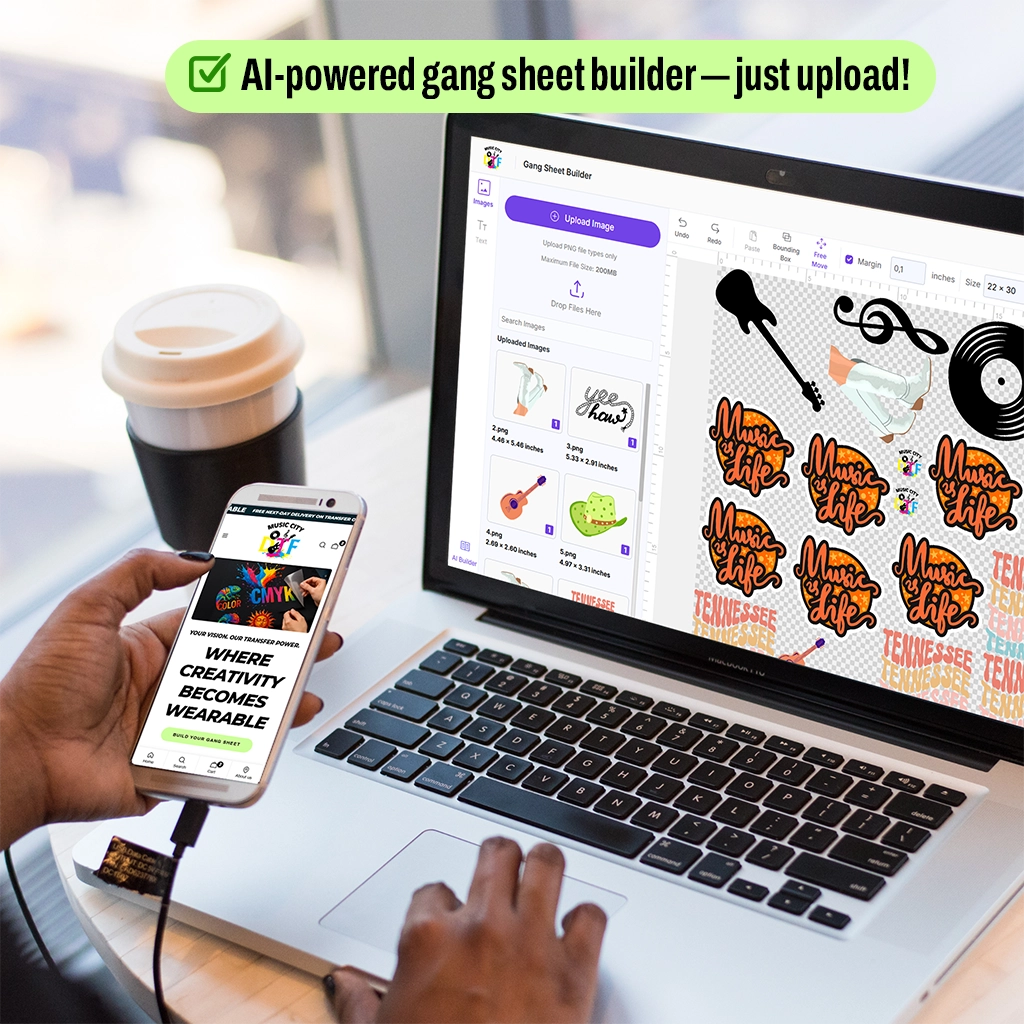
Streetwear is more than simply printing the latest trend on a hoodie and calling it a brand. It’s about attitude, self-expression, and creating pieces that turn heads on the street, and that takes much more than sketching bold graphics. You need custom streetwear DTF transfers to achieve the right quality, build a clear and compelling brand, and—perhaps most importantly—figure out how to produce your collection without draining your resources before your first drop ever hits the market. With custom streetwear printing, it’s all about bold designs that stand the test of time. You might be sketching your first drop or already gaining traction—either way, DTF printing makes it easy to bring your vision to life: no expensive equipment, no strict order minimums, just flexibility and quality. In this guide, we’ll talk about how to start a streetwear line from the ground up with DTF: design, test drops, marketing, scaling—the whole journey to help you launch a streetwear brand that delivers. Ready to go from “just an idea” to “people lining up for your stuff”? Let’s get into it. Custom Streetwear DTF Transfers as a Streetwear Power Move Before we go any further, let’s spend some time looking at why Custom DTF printing matters. DTF printing for streetwear designers has flipped the script for anyone trying to break into the streetwear merchandise and apparel market. Back in the day, starting a clothing line meant spending a significant amount of money upfront, ordering in bulk, or trying to convince a print shop to review your designs. Not anymore. Now, you're in charge. With DTF printing, you get full-color, edge-to-edge prints on almost any fabric—no significant investment, no minimum orders, no strings attached. Want to drop ten tees tonight just for your crew? Go for it. Want to bring back last month’s best-seller in a neon hoodie version? Do it. This is creative freedom like never before. No more waiting for permission or jumping through hoops. You set the pace, follow your trends, and keep your vision exactly how you imagined it—no middlemen, no rules, just your ideas and your hustle. How to Build a Streetwear Brand With Low Budget Don’t have a heat press setup at home? No problem. Partnering with a professional print service, such as Music City DTF, allows you to focus on the creative and strategic aspects of your streetwear startup while still delivering premium-quality products. It’s an innovative, scalable way to start strong without breaking the bank. DTF is the best printing method for streetwear, as it differs from traditional screen printing in that it doesn't require large bulk orders or limit you to a few basic colors. You can produce high-quality, photo-realistic prints on demand, reducing both upfront costs and material waste. This makes it ideal for testing designs, running small-scale trials, and establishing a polished brand from the outset. Here’s how you can launch your streetwear brand without making a significant upfront investment. Start Small, Test Everything The biggest rookie mistake when starting with DTF is investing a substantial amount of cash in inventory before you know what people want. DTF printing for streetwear designers is a game-changer—it lets you bring bold, creative ideas to life without the stress of big budgets or bulk orders. Do small merch and press them yourself if you wish, or simply outsource the task. That way, you see what gets people hyped—colors and slogans—without ending up with a closet full of unsold shirts. Additionally, limited drops make your product feel exclusive, as if people have to grab it now or risk missing out. Track what’s working, then double down on the winners. DTF lets you run as little as 10-20 pieces at a time, and each product looks pro. That’s how you build a streetwear brand with DTF transfer—smart, lean, and hype-worthy. Mix It Up—Expand Your Line Without the Hassle Streetwear isn’t just about one perfect tee. It’s baggy hoodies, cropped tops, cargo joggers, the whole playground. DTF transfers allow you to run the same graphic across multiple cuts and fabrics, eliminating the need for new setups. Skull print on a black fleece? Yup. Same art but on a white crop? Easy. DTF works on cotton, polyester, and other compatible fabrics, allowing you to get creative with your garment choices. This is where DTF for clothing brands becomes your power move. Go Wild With Placement and Effects Want to know what takes your streetwear from an amateur print to “yo where’d you get that?” It’s all about creative placement. Don’t just stick a basic chest logo and call it a day. Try sleeve prints, oversized back hits, off-center graphics, and layered effects for a unique look. Streetwear printing with DTF is incredibly precise, allowing you to get creative with multi-location prints, metallic effects, and textured looks, among other options, whatever you can dream up. Go beyond the basics and turn your pieces into genuine statement pieces. Remember Branding Isn’t Just Labels—It’s the Whole Vibe You want to build a brand? You have to be obsessed with the details. Think custom neck tags, inside labels, the whole shebang. Print streetwear marketing isn’t just about the print itself—it’s about how it all looks and feels together. Whether you’re all about skate energy, hip-hop roots, anime nostalgia, or you’re making a statement, your look and your story have to hit home with your people. Hype gets you eyeballs. Story keeps them around. Find a Print Shop That Gets It Nothing kills your momentum like a messed-up print. Faded colors, off-center logos, print that peels after two washes. That’s why you need a shop that actually cares and takes your business seriously. The right print shop should have the best DTF for streetwear and the ability to deliver it without delays. Whether you’re doing it yourself or grabbing ready-made transfers, you need a partner who matches your grind. Sample packs and bulk orders—your supplier should offer a range of options. Music City DTF: Your DTF Partner Our DTF transfers are bold, vibrant, and designed to withstand real wear and tear. If you're just starting your brand or gearing up for your next big launch, we've got everything you need to make your designs stand out. And if you’re looking to save time and pack more into every order, our Gang Sheet Builder makes it super easy. Simply upload your designs, arrange them as you like, and you’re good to go. Start building your gang sheet now—we’ll handle the rest. Final Thoughts DTF vs screen printing for streetwear? No contest. DTF wins on flexibility, affordability, and creative freedom. Building a streetwear apparel line is a grind, but you don’t have to make it more complicated than it needs to be. DTF transfers let you experiment, scale up, and keep your products hype-worthy—without the drama of old-school printing. One-off pieces, big launches—this is about your style, your story, your crew. Make some noise. One print at a time.
Learn more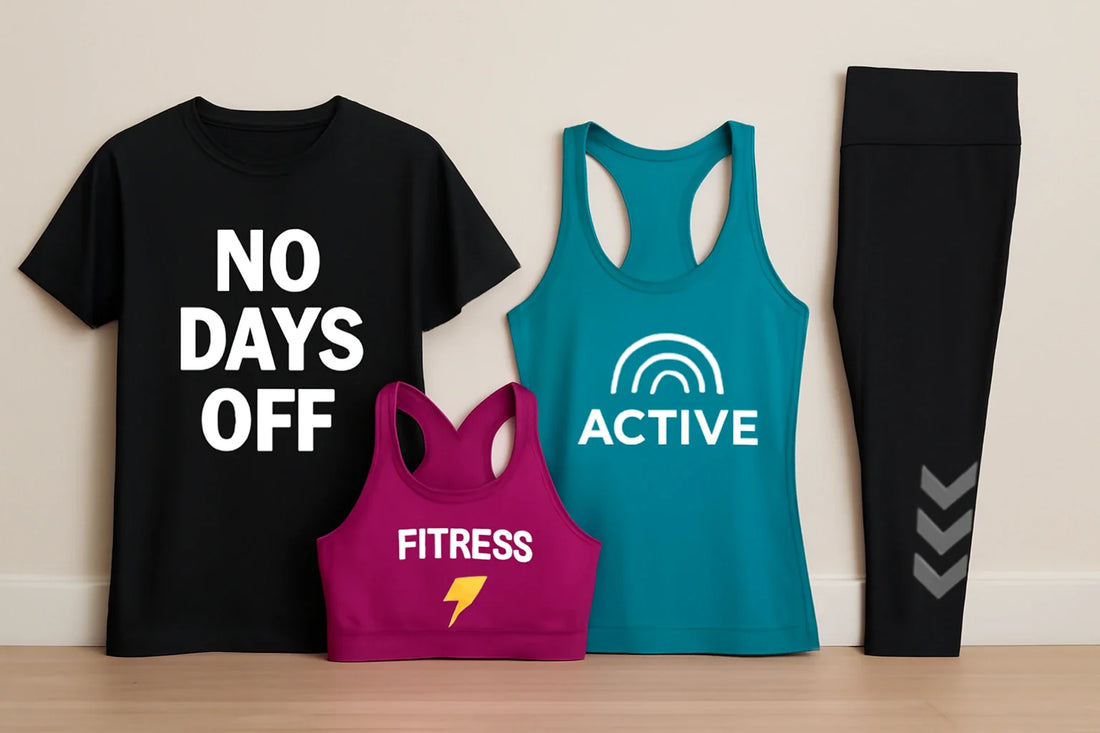
DTF Printing for Activewear: 10 Ideas for Fitness and Activewear Brands
Fitness fashion isn’t just about looking cute while you’re gasping for breath in spin class. Design’s gotta pull its weight. If you’re considering launching an activewear brand (or simply want to revamp your existing line that’s not generating many sales), DTF printing for clothing is the ultimate solution. With DTF printing for activewear, you can test new ideas, scale up or down, and create eye-catching looks for sports brands without burning your budget. Whether you’re creating custom fitness shirts or distributing branded tees at events, DTF is essentially the MVP for high-performance branding. In this post, we’ll discuss the potential of DTF in activewear and explore some creative ways to utilize DTF to make your fitness apparel printing a powerful revenue driver through product drops, giveaways, and innovative ideas that can lead to exponential growth. How to Use DTF Printing for Activewear If you want bold, durable prints for fitness wear—without the hassle of old-school printing—DTF might be precisely what you need. Whether you're adding sleek logos to leggings or going all out with neon graphics on sports bras, DTF gives you vibrant colors that last. It stretches, moves, and survives wash after wash without flaking out. Perfect for if you’re just getting started—or already deep in production mode. So, if you're ready to make your activewear stand out, check out some of these creative ideas to utilize DTF printing for your brand. 1. Motivational Slogan Tees & Tanks Nothing gets people through that last set like “No Days Off” screaming across their chest. Use DTF to add those motivational slogans on tanks, tees, or compression tops. They’ll survive sweat, stretching, and probably the apocalypse. Plus, your brand’s name will be right there, every squat and sprint. 2. Limited Edition Drops Make your line feel exclusive. Drop limited runs—seasonal colors, wild graphics, or collabs that keep your fans chasing that next release. No more warehouse full of unsold stuff. Just press what people want, when they want it. Build hype, create FOMO, and keep your brand buzzing with custom activewear printing that won't break the bank. 3. Performance Line Branding Want to make your collections pop? Go bold with color stories—icy blues for “endurance,” electric stuff for “power,” or chill neutrals for “recovery.” DTF makes it easy to maintain a consistent branding across leggings, tanks, and more. The designs look pro, feel pro, and your brand is instantly recognizable in a sea of lookalikes. 4. Branded Event & Gym Merch Throwing an event or teaming up with a gym? Create custom shirts, towels, or duffel bags featuring your logo prominently. People take them home, use them, and, as a result, help your brand go everywhere—like a global billboard. 5. Influencer Kits: Match Game Strong Want to get noticed on Insta? Send influencers matching sets—leggings, sports bras, crop tops—all with flawless design. It photographs like a dream and gets you tagged all over social media. It’s free advertising with a side of street credit. 6. Reflective or Glow-in-the-Dark Details Let’s take things up a notch. Enhance your activewear line with fun and functional details, such as reflective or glow-in-the-dark DTF elements. Not just for style points, but also for folks out there running after sunset or cycling at dawn. Athletic wear printing solutions that blend fashion and function are one of the best-selling items, so make them your priority. 7. Compression Gear with Layered Graphics If you’re working with compression wear, DTF opens the door to some seriously creative design options. Think of layered graphics, such as muscle contour maps or the high-tech “armor” look that makes your gear stand out. The result? Apparel that looks premium, performs great, and sells even better. DTF makes it easy to get those pro-level finishes, without the headaches that come with outdated printing methods. 8. Branded Tote Bags and Gym Accessories Why stop at shirts and leggings? DTF works just as well on tote bags, zip pouches, sweat towels—pretty much anything your customers use. And once it’s got your branding on it, it’s not just useful, it’s memorable. These make great add-ons, giveaways, or bundled items that add value without much extra effort. Custom gym wear with DTF transfers expands your reach beyond apparel. 9. Loyalty or Subscriber-Only Designs Want to make your die-hard fans feel special? Drop some exclusive DTF designs just for subscribers or your top buyers. It could be a sleek little logo tee or an off-the-wall seasonal print. Doesn’t have to be a big production—small batch is the name of the game here. Think of it like print-on-demand workout gear that earns loyalty. 10. Behind-the-Scenes or BTS Collection People love to see what’s behind the curtain. So, print some behind-the-scenes (BTS) stuff: rough sketches, inside jokes, mission statements, whatever tells your story. Those DTF prints aren’t just merch—they’re like letting your fans backstage. They make you more than just a brand; you become a crew with an actual vibe. That’s how personalized fitness shirts turn into a movement. Why Choose Music City DTF If you're over prints that fade after two washes, our DTF transfers are the upgrade you’ve been looking for. Our products are designed to withstand sweat, stretch, and tumble drying without compromising quality. Whether you're just getting started or scaling quickly, we make it incredibly easy to create custom activewear printing designs that genuinely hit the mark. Ready to build a sports merch? Explore our DTF Sample Pack to discover designs and get started with DTF printing. Final Thoughts: is DTF good for activewear? Short answer? Absolutely. DTF is revolutionizing the printing industry, particularly in emerging sectors such as sportswear and activewear. These niches are booming, and people seem to have an insatiable appetite for custom gear. The best part? It doesn’t take a massive investment to get started. So if you’re looking to turn your creative ideas into real income (not just side projects), getting into DTF for activewear is a smart move that just makes sense. When it comes to the best printing for gym apparel, DTF consistently delivers. So if you're ready to launch or level up, grab those designs and start printing. This is your sign to stop waiting and start making noise.
Learn more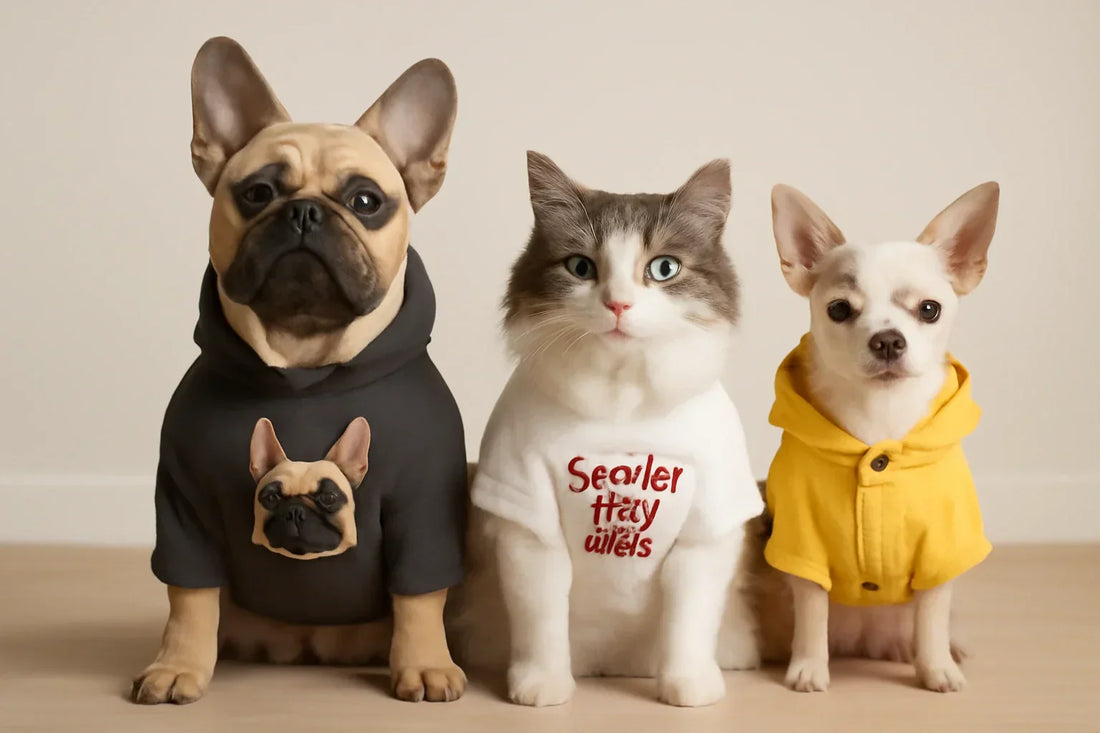
Pet Apparel Printing with DTF: A Growing Trend and How to Tap Into It
The growing trend of pet fashion printing has taken off, and DTF printing for clothing is the reason small businesses are capitalizing on it. Consider this: custom hoodies and pet clothes for French Bulldogs, birthday tees for senior cats, and even tiny raincoats for teacup pups. Pet apparel printing with DTF is more than fashion—it’s an expression of identity for pet owners. And with DTF, the designs are bold, detailed, and durable enough for pets who love to roll in mud and chase squirrels. Whether you’re starting from scratch or adding pet gear to your shop, this trend is worth sinking your paws into. This post explores the potential of the pet DTF market and the fun, functional, and creatively innovative ways to tap into this booming niche. Pet Apparel Printing with DTF to Unlock a Profitable Niche DTF printing isn’t just for humans. It translates beautifully to four-legged wearables as well. High-stretch dog tees, breathable hoodies, and lightweight vests all benefit from vivid colors and strong prints. It’s stylish, personal, and performance-ready—ideal for brands entering pet merchandise printing or expanding their product range. Let’s get into how you can start in this niche and build a profitable business. How to Start a Pet Apparel Business with DTF 1. Breed-Specific Prints Dog people go nuts for anything that screams their pup’s breed. This could be your target audience. Apply an epic illustration or some sassy breed-inspired text on a shirt—pugs, doodles, and greyhounds. DTF nails the crisp details, allowing pet owners to show their love for their animals with custom clothing. It's a winning approach for dog apparel printing, enabling you to test designs for dogs with limited drops and expand to other animals later. 2. Holiday Collections Pet people will buy anything if it has a holiday theme. Halloween bat wings, Valentine’s shirts, Christmas sweaters—and even Fourth of July sunglasses or Easter bunny ears. DTF makes it easy to launch themed pet t-shirt printing projects on demand. You don’t need bulk orders—just fresh ideas and seasonal flair to drive repeat sales. 3. Custom Name Apparel Personalization will never lose its edge. Help your customers apply their pet’s name on a hoodie, tee, or sweatshirt and create highly personalized merch. DTF enables the smooth and efficient production of customized pet clothing that looks sharp and sells quickly. Additionally, it helps you gain loyal customers who will return for more personalized pet apparel. 4. Rescue & Adoption Campaigns Want actually to do some good while selling gear? Create rescue-themed shirts, such as “Adopt Don’t Shop” or “Rescue Crew,” and donate the proceeds to a local shelter. DTF makes those heartfelt messages stand out. It’s not just sales—it’s social proof. Perfect for pet stores diving into custom pet accessories printing as part of a cause. 5. Matching Human + Pet Sets People love matching outfits with their pets. It’s cheesy, but a perfect opportunity for you. Tees, hoodies, bandanas, and custom tees, anything can be turned into a matching set. Perfect for birthday shoots, walks, or just flexing on Instagram. DTF delivers consistent quality from XS bandanas to XXL hoodies, making it ideal for brands expanding into custom pet clothes or coordinated lifestyle gear. 6. Pet Birthday & Milestone Shirts Yes, people throw parties for dogs: “Gotcha Day,” “Puppy’s First Hike,” “Senior Dog Club”—it's all celebrated, giving you the chance to create more and sell more. These moments are ripe for custom dog t-shirts using DTF, because you can print one-offs quickly without wasting materials. DTF’s durability ensures that each design is photo-ready and shop-worthy for such events. 7. Influencer & Petfluencer Merch Pets with social followings are serious businesses. Partner with them for drops—logo tees, catchphrases, cartoon portraits. Great for pet merchandise printing because you can test niche designs in small batches. Additionally, fans adore anything associated with their favorite furry celebrity. It's a high-loyalty, high-impact niche. 8. Event or Expo Merchandise Got a booth at a pet expo? Utilize DTF to create location-based or event-themed merchandise. With a reliable supplier, you can achieve a fast turnaround and high-quality prints with minimal inventory risk. Follow pet fashion trends and create “limited edition” or “one weekend only” items for events to generate quick revenue. Add names or custom graphics onsite for even more value. 9. Rain Gear or Functional Apparel Raincoats, vests, even paw protectors—people want functional clothing that's also cute. Add prints and branding with DTF, and give your audience a blend of practical and premium. DTF is the best printing method for pet apparel that requires stretch, water resistance, or unique textures, as it holds strong without compromising comfort. 10. Eco-Friendly Pet Fashion The modern pet parent wants to shop responsibly. Use bamboo, recycled poly, or organic cotton and finish with eco-safe DTF prints. You’re not just selling a shirt—you’re selling values. As a bonus, sustainability plays a significant role in custom pet accessories printing when you expand into leashes, bags, or toys. Why Choose Music City DTF Want prints that can resist dog parks, slobber, and machine washing? Music City DTF brings the quality your customers deserve. Our transfers are sharp, long-lasting, and pet-proof. Whether you're printing 10 or 1,000, we’ve got the quality you need to build a brand that barks (or meows). Check out our Gang Sheet Builder to get started with pet apparel printing that delivers. Final Thoughts Pet apparel printing with DTF isn’t just a trend—it’s a movement. With DTF printing, you can launch a new brand, scale an existing one, or turn viral pet content into real revenue. Just bring creativity, a bit of hustle, and the right printing partner. Let Music City DTF help you fetch success—one shirt at a time.
Learn more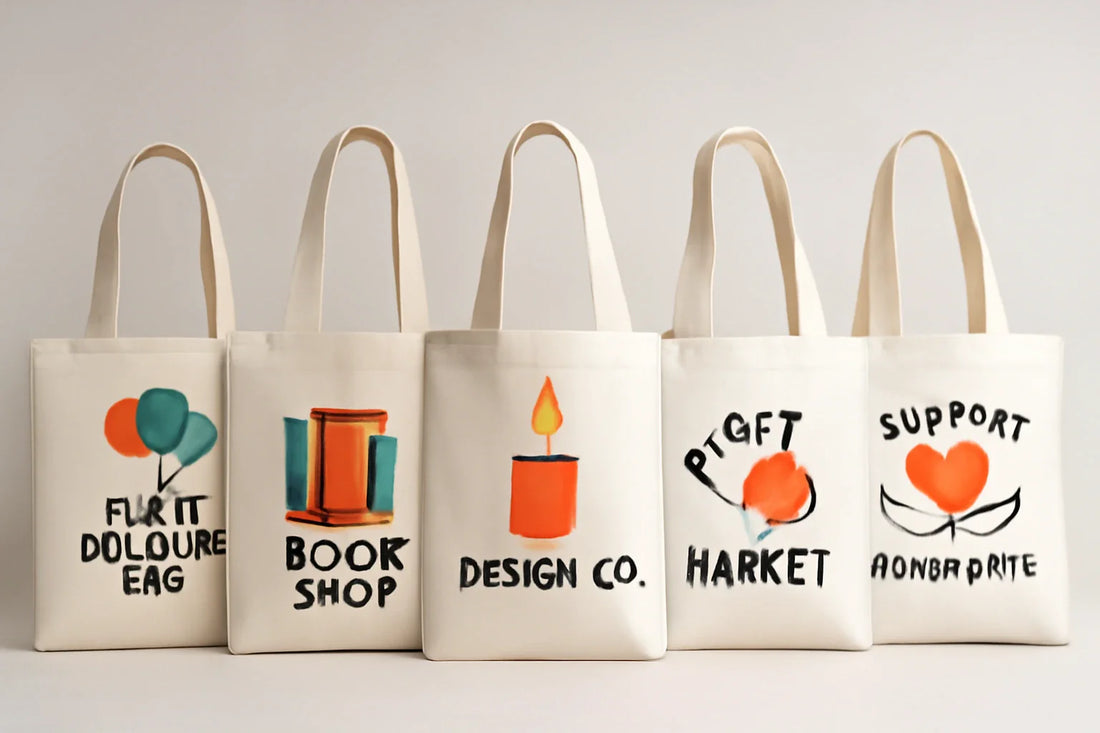
Custom Tote Bags: 6 Ideas for Small Businesses and Events
Custom tote bags are the latest milestone in the evolution of carryalls —probably the most significant upgrade since backpacks went mainstream. They’re casual, sturdy, smaller yet spacious, and somehow manage to work for everything from market picks to office supplies. In a world where everyone’s juggling errands, the tote just makes sense in terms of both style and functionality. Whether you’re hustling with a tiny startup, hyping a new product, or just throwing a local bash, custom tote bags for businesses are like walking billboards that people WANT to carry. In this post, we'll break down six slick ideas to help you boost engagement, win some loyalty, and squeeze every drop of value out of this handy marketing hack. Swag bags, trade show freebies, client gifts, and much more. Here’s how to tote-ally crush your promo game. Custom Tote Bags Ideas Work (And Aren’t Just Another Freebie) Personalized tote bags aren’t just cheap promo giveaways. They’re sneaky little marketing ninjas. First off, they don’t cost a fortune, so you can order a boatload and still stay within your budget. Plus, you can apply any design to get people's attention. Since people use them, unlike business cards and flyers, a tote ensures that your message gets out there, loud and clear. A tote gets carried to the grocery store, gym, library, and almost anywhere in the world, essentially taking your brand with it. The more people see your brand, the more likely you are to gain a customer. Additionally, using reusable tote bags with your logo and brand designs allows you to establish your brand as an eco-conscious entity that aligns with modern values. So ready for some ideas? Here’s how you can use printed tote bags for small businesses to attract new customers and keep the regulars happy, all while making your brand look sharp. 1. Event Welcome Bags That Don’t Disappoint First impressions matter. So, hand out custom tote bags as welcome gifts at your event. Conferences, weddings, graduation events, and community gatherings could all benefit from tote bags. People love personalized totes for wedding and corporate events, especially when they are free. Tote bag giveaway ideas for events don’t have to be boring—go with style and function in one. Fill the bag with schedules, badges, promo goodies, or snacks. They keep your event tidy and turn everyone into a mobile ad for your brand. Additionally, people will continue to use that tote long after the event, ensuring your logo remains visible. 2. Branded Merch for Small Shops Running a boutique, indie bookshop, or that cozy little eco-store? Promotional tote bags are a no-brainer move. Offer them for free with purchases over a certain amount, or just sell them outright. Make the design stand out with quirky quotes, bold colors, and trend-setting phrases and images that people will love to carry. People love a bag they can reuse, and every time it’s out, your brand gets a little boost. If you’re considering tote bag printing, choose designs that match your audience’s style. 3. Client Gifts That Don’t Feel Lame Service businesses—real estate agents, designers, consultants, architects—you want to stand out? Ditch the standard thank-you cards and send a legit gift. Fill a custom tote with cool stuff: maybe a candle, a fancy notebook, or a solid gift card. A tote can be incredibly personal, way more memorable, and every time your customer grabs that bag, they think of you (and your brand). It’s the kind of small gesture that keeps clients coming back. If you're wondering how to design tote bags for business promotions, think usefulness first, and aesthetics second—but don’t skip either. 4. Giveaways at Markets and Trade Shows Let’s be honest, most trade show freebies are not enticing enough to stay with people. But not the totes. Print your logo, your brand slogan, maybe your Insta handle—then hand them out like candy. People will use them to carry stuff during and after the show, helping your brand get the hype it deserves. Plus, unlike flyers or pens, a tote doesn’t end up in the trash five minutes later. Your brand sticks around, getting eyeballs long after the event wraps up. If you're a new brand, use custom DTF tote bags for small brands to start building a buzz. 5. Custom Packaging for E-Commerce Orders If you’re still using boring brown boxes for orders, you’re missing out. Why not apply your branding to a slick tote bag instead? It’s memorable, reusable, and way cooler than a plain old box or conventional packaging. Imagine your customer’s face when they crack open their order and there’s a custom tote staring back at them. Insta-worthy? Absolutely. Free marketing? Most certainly—because they’ll probably carry it around, snap a picture for their feed, or even hand it off to a friend. Custom tote bags for events don’t have to stop at the event—make them part of your shipping experience. 6. Fundraisers and Nonprofit Campaigns For nonprofits, tote bags are cheat codes. Sell them to raise cash, or hand them out as a thank-you when someone donates. People appreciate and support merch that supports a cause, especially if it looks good. A killer design gets people talking, sparks conversations about your mission, and spreads your message wherever that bag goes. You’re building hype, raising money, and getting your name out there—all wrapped up in one handy tote. Music City DTF – Your Ultimate Partner for Tote Printing If you want your totes to turn heads, don’t mess around—go with Music City DTF. Our DTF transfers are vibrant and made to last. These aren’t designs that fade after two washes; we’re talking color that stays on even after a million grocery runs and wash cycles. With quality that promises longevity, your brand’s message will continue attracting customers long after your marketing campaign is over. Ready to try some designs? Explore our DTF Sample Pack and discover designs for your next tote project. Final Thoughts Custom tote bags are the authentic MVP. Affordable to produce, easily customizable, and widely used. Whether you’re running a booth, thanking a customer, or just want people to remember your brand, a solid tote does the trick. Get the design right, work with a pro DTF printing expert, and watch your bags turn shoppers into walking billboards.
Learn more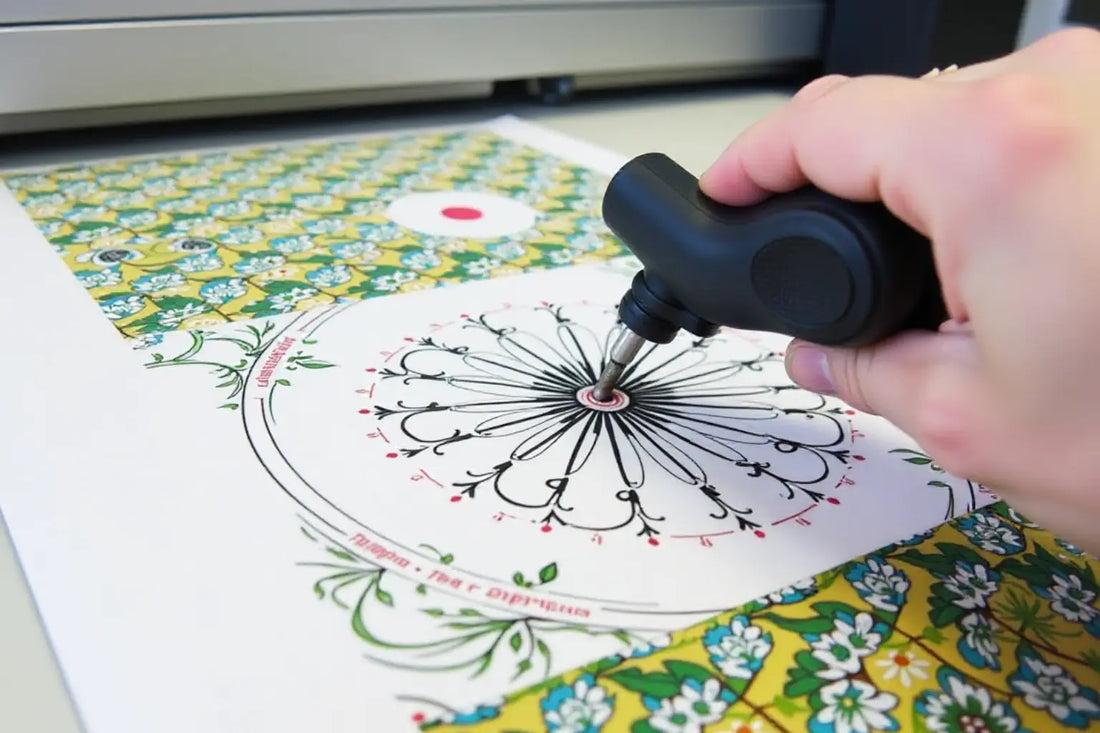
DTF Printing Mistakes to Avoid: From Setup to Final Press
Direct-to-film (DTF) printing produces strong, vivid results, but only if everything is done right. Success demands more than just nice equipment or basic know-how. Every step counts, from the moment you prepare your printer to the final heat press. DTF printing mistakes, such as poor prints and excessive waste, may result from errors in software installation, print environment, film handling, curing, and even the pressing approach. Often, beginners jump in without appreciating the importance of details such as temperature, humidity, and regular maintenance. And experienced professionals sometimes overlook how quality is affected by changes in their workspace or workflow. Highlighting the most typical errors and how to prevent them—including DTF powder curing issues, DTF transfer errors, and DTF print not sticking—this post guides you through every stage of the DTF process, before, during, and after setup. Knowing what to look for helps ensure your production is smooth and your results are always professional, whether you're launching a new business or adjusting your existing processes. So let’s dive in! DTF Printing Mistakes Before Setup: Controlling the Environment Poor Environmental Control How to prevent DTF transfer mistakes every time? Start with your environment. The DTF process starts way before you hit “print.” It begins in your workstation. If the room is chilly, the prints become all warped and uneven. If the humidity is high, the adhesive powder becomes clumpy, making it challenging to apply. Stable temperatures and humidity prevent problems before they even start. Even the fanciest gear can’t save you from an unoptimized workspace, so treat your room like it’s part of the squad—it’s more important than any other aspect of the process. Poor Film Storage Film is your blank slate, and if you store it wrong, you have failed before you even get started. Remember to stack it flat and keep it in a cool, dry place—away from sunlight, vents, and humidity. Warped or curled film can jam up your printer and mess with the ink. Doesn’t matter if your printer’s dialed in—bad film ruins everything. Additionally, add dates to your film packs and use the oldest items first. Maintain your film as much as your printer, because without it, even the most brilliant artwork won’t save your final output. Mistakes During Setup: Preparing to Print Incorrect Print Settings Once your room’s environment is sorted, focus on your software. One wrong RIP tweak—bad resolution, lame color, too much or too little white ink—and your prints will come out inconsistent: fuzzy, dull, or barely there. Forget the default settings—test stuff for your specific inks, film, and shirts. Calibrate, take notes, tweak again. Yes, it takes some time, but if you want colors to pop on your shirts and details to stay sharp, you have to configure the setup from the start. Best practices for DTF transfer printing always begin with the correct settings. Great prints aren’t lucky—they’re a result of accuracy and consistency throughout the process. Neglecting Printer Maintenance Clogged nozzles, dusty caps, and dried-up ink—any of these issues can bring your printing to a halt. Make nozzle checks and cleanings a daily thing, and don’t skip scheduled flushes. Little cleaning habits will save you money and headaches. DTF printer maintenance tips are essential for achieving consistent quality and minimizing frustration. And they are not some hard and fast rules, simply maintain your printer every week to find little issues before they become significant problems. Mistakes After Setup: Printing, Curing, and Pressing Improper Curing Technique Curing’s where you lock that print in, and honestly, it’s where a ton of DTF enthusiasts mess up. If your powder is under-cured, the design will peel. Go too far, and it’ll be stiff or crack. Therefore, ensure you use an infrared thermometer to verify that your oven is set to 320°F. No guessing. Consistent heat and airflow are everything. How to fix peeling DTF transfers often comes down to proper curing. Peeling and Transfer Mistakes Even when prints look fine out of the oven, they can fail during pressing or after washing. What causes DTF prints to peel off usually boils down to pressure issues, bad timing, or surface contamination. To fix this, there are a few heat press mistakes to avoid, including uneven pressure, too low temperature, or skipping the post-press step. These little oversights are the ones that’ll haunt your final product. Smart Workflow Habits Following DTF printing do’s and don’ts keeps your workflow streamlined and your results as expected. Regardless of the number of shirts you are printing —ten or a hundred —having a checklist and monitoring variables ensures you don’t waste time or supplies. How to get clean results with DTF transfers isn’t magic—it’s about discipline and repeating what works. Document what settings work and stick with them. Why Choose Music City DTF From initial setup to the last press, Music City DTF helps streamline your entire printing process. To help you prevent expensive errors, we provide excellent inks, films, powders, and expert guidance. We are here to help you get it right the first time, every time, with quick delivery, dependable products, and a team that knows the whole DTF process. Final Thoughts Success in DTF printing is built on consistency, care, and attention to each step—from setup to the final press. Avoiding these common DTF printing mistakes helps you produce better work, save materials, and reduce stress. Stay informed, be proactive, and partner with the right suppliers. With the right approach, every print can reflect your skill and professionalism, helping you attract more customers. Ready to work on your first print? Try our DTF Sample Pack and see how our DTF transfers look on your merchandise before you make a bulk purchase.
Learn more
DTF Color Mismatch: Why Your DTF Colors Don’t Match Your Screen — Color Correction Tips
Among the most aggravating issues DTF print shops experience is DTF color mismatch. You work for hours crafting the ideal artwork only to find out later that it looks muted, off-hue, or just inconsistent with the original. From screen calibration and application settings to ink and curing techniques, DTF printer color management almost always underlies the problem. Understanding how DTF color correction works can save you hours of wasted time, film, and materials, whether you're new to direct-to-film printing or looking to enhance your method. This guide clarifies, in a step-by-step manner, exactly why your colors might not match and how to resolve the issue. To achieve prints that look as excellent on fabric as they do on your screen, we will review the most common causes and remedies for DTF transfer color problems. DTF Color Mismatch: Problems to Consider 1. Your Monitor Isn’t Calibrated Your DTF print looks different from the design? It could be the monitor. If your monitor isn’t calibrated, you’re essentially setting yourself up for failure right from the start. Every screen’s got its weird quirks—one’s too blue, another’s got the brightness that is too much. You have to use a colorimeter and actually calibrate the device. Set it to sRGB or Adobe RGB and adjust the brightness and white point until the image appears as desired. This is the foundation of color calibration for DTF printing. 2. You’re Not Using an ICC Profile No ICC profile? You’re essentially playing color roulette and hoping that your printer, ink, film, and RIP all work together seamlessly. Spoiler: they won’t. That’s how you end up with colors that are either too bright or too dull. An ICC profile is a data file that specifies exactly how colors are intended to appear when printing, provided you’re using that particular setup. Always obtain the ICC profile from your ink or film supplier, or create a custom one if possible. It’s not optional if you want your DTF colors to match screen output. 3. Your RIP Settings Are Off RIP software is the translator between your beautiful digital art and what comes out of your printer. If your settings are even a smidge off—white ink too heavy, color channels swapped, or poor resolution, your print is going to look off. Don’t trust the defaults. Run some tests, adjust the settings, and determine the optimal color settings for DTF printing that work best with your setup. One tiny tweak can be the difference between “wow!” and “yikes.” RIP settings are where the magic (or disaster) happens. 4. You're Using the Wrong Ink or Film Combo One of the primary reasons why DTF colors look dull is the quality of the ink. Not all inks and films are compatible with each other. Maybe your cyan is a little off, or the film coating melts weird under heat—suddenly, your colors are all over the place. Additionally, cheap films either ruin your colors entirely or become distorted in the heat. Stick to one brand if possible, and ensure your ICC profiles match. 5. Your Print Environment Isn’t Stable Have you ever tried printing when it’s super humid? Powders and inks don’t cure properly. Even how your film dries can change the color. Try to maintain a print room temperature of around 70–75°F and a humidity level of 45–60%. If your prints look different every day, your environment is likely inconsistent. Don’t blame the printer—blame the weather. This helps eliminate the screen vs print color difference caused by environmental changes. 6. You’re Over or Under Curing Curing isn’t just about making the powder stick. Too little heat and your print looks faded. Too much and you’ll get weird yellowing, especially in whites and pastels. Grab an infrared thermometer and check if your press is hitting the right temp—usually 320°F, give or take. Proper curing is essential for DTF color accuracy. Follow the powder manufacturer’s instructions instead of just guessing. Proper curing = colors that last. 7. File Format and Color Mode Problems Designing in the wrong color mode can also lead to DTF color mismatch. Always work in RGB, but remember: your RIP will convert it to CMYK or any other color space your printer uses. Use Photoshop or Illustrator to soft-proof in CMYK if you want to see how it’ll print. Save your files as TIFF or PNG—JPEGs just mess up gradients and fine lines. Adjusting colors in DTF begins with selecting the correct mode and format from the outset. 8. You’re Ignoring Test Prints Skipping test prints? That’s a rookie move. Do a quick 4x4” swatch before you waste a roll of film and fifty-dollar ink. Compare it to your screen, note what’s off, tweak, repeat. Yes, it’s a bit extra work, but it’ll save you from having to discard an entire batch. This step is key when learning how to fix DTF color issues and avoid waste. 9. Your Art Has Too Much Saturation or Contrast Sometimes, your printer isn't the problem—it’s your artwork. Some designs look fantastic on a backlit screen, but printers just can’t handle that much color. Neon, ultra-black, and other intense colors usually become a mess. Dial it back a bit, consider print design, and select colors that your printer can reproduce. Keeping saturation in check can prevent many DTF transfer color problems. Why Choose Music City DTF? If you’re after color accuracy and solid prints, Music City DTF is the way to go. We’ve got top-notch inks, films, powders, and everything in between. Starting or scaling up? Doesn’t matter. Our crew’s got your back, and shipping’s fast: reliable gear, real support, and no delays. Try our color chart today to start creating prints that accurately represent your artwork. Final Thoughts Let’s be real: dialing in DTF color isn’t magic—it’s a grind. You have to tweak, test, and use the right stuff. From screen calibration to getting the cure just right, every little bit counts. Skip the guesswork, lock in a process, and you’ll get eye-catching prints that look exactly how you imagined. To avoid DTF color mismatch, it's essential to make a deliberate effort to calibrate your monitor, configure your setup, and select colors that are compatible with your printer. When everything is done correctly, you will never mix up colors again!
Learn more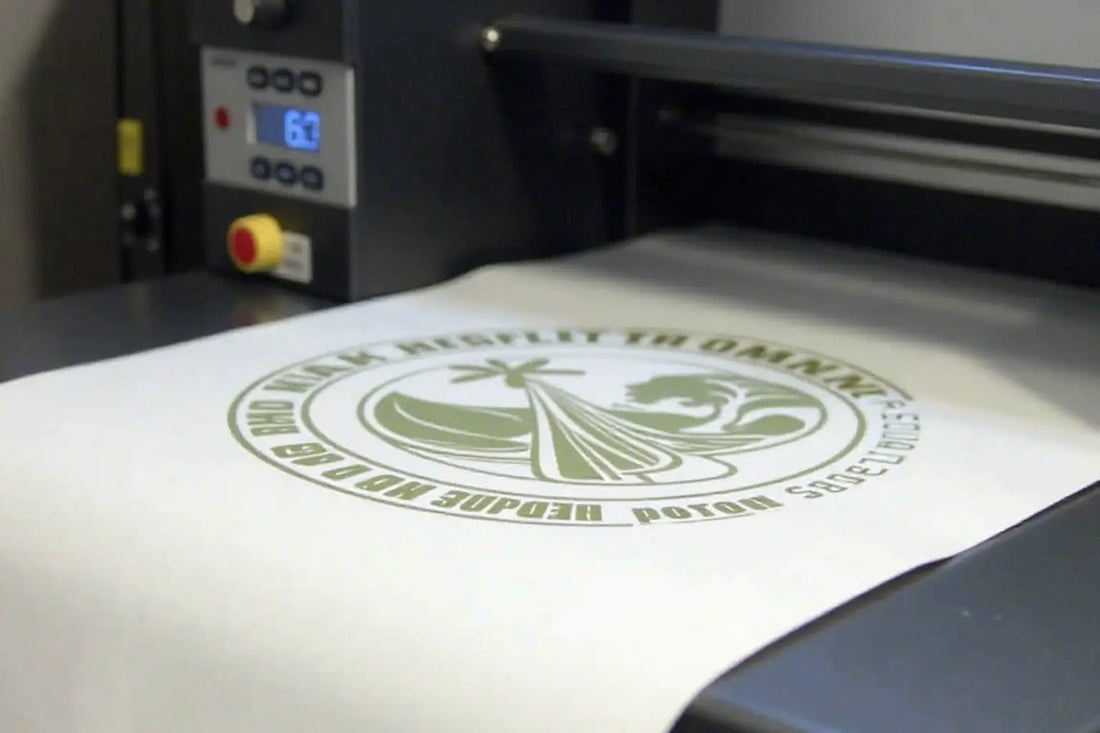
DTF Printing Temperature Settings: How Humidity and Temperature Affect Results
DTF printing can be excellent—those bold colors, crispy lines, the whole nine yards. However, your setup must be perfect; otherwise, you’re just asking for trouble. People spend hours finding the ideal ink or tweaking printer settings, but honestly? There’s a sneaky little troublemaker nobody wants to talk about: the room you’re printing in. The temperature and humidity can lead to warped film, ink spitting everywhere, powder refusing to melt, clingy static, or washed-out prints. In this post, we’ll discuss what doesn't work in terms of DTF printing temperature settings and how to avoid quality issues. Most DTF disasters—powder not curing, white ink turning into cottage cheese, colors looking dull—trace back to the room. So, let’s break down how temp and humidity mess with your DTF game, and what you can do before you rage-quit your next print run. Key Considerations for DTF Printing Temperature Settings 1. DTF Printer Room Temperature: The Silent Wrecker Your printer’s picky about temp. It prefers a steady temperature, like 68–77°F (or 20–25°C). In a cold workspace, ink turns into sludge and clogs print heads. Too hot? Ink runs thin, colors bleed, and images shift. And if your room swings from cold to hot, your nozzles can produce irregular prints in every press. The DTF printer room temperature should never be a guessing game—consistency keeps your prints tight. 2. Humidity: Ink’s Frenemy Too much humidity in the room won’t let ink dry—it smudges, it bleeds, it ruins your prints. Too little moisture, on the other hand, and your ink can dry mid-air, clogging everything up. Either way, your print bears no resemblance to its original design. Humidity effects on DTF printing are no joke; you can waste both time and money. Try to maintain humidity levels between 40% and 60% by using a humidifier or a spray. 3. Powder + Moisture = Bad News DTF powder should be stored in a dry location. High humidity turns it into a clumpy mess that won’t cure right. That’s how you get brittle prints or those patchy transfers. If you’re dealing with moisture problems in DTF printing, store your powder sealed, and if your location is muggy, get a dehumidifier as soon as possible. Otherwise, you’ll be tossing more than you keep. 4. Storing Your DTF Film Too much humidity can cause the DTF film to curl or warp, jam up your printer, or collect dust, which can not only clog the print heads but also end up in the prints. The proper storage temperature for DTF films is cool and dry, with minimal moisture. DTF films can expire, so ensure that their storage is your top priority during the printing process. 5. Static Cling: The Dry Air Menace When your room’s dry, static takes over. Your film turns into a lint collector or shifts when you try to peel it. Result: ghosting, ugly textures, and inconsistent design. Most DTF print quality issues linked to ghosting can be attributed to inadequate humidity control. Always use anti-static spray before you start. 6. Powder Curing If your oven or heat press can’t hold a steady temp, it’s time to take action. Under-cured powder flakes right off, over-cured film warps too quickly. You want a temperature between 250–265°F (120–130°C) for 2–3 minutes, with no variation. Heat press temperature fluctuations are a hidden killer—invest in a laser thermometer that’ll tell you the exact temperature. It’s worth it. 7. Heat Press Pressure & Room Temp The temperature of your workspace matters more than you might think. If the room is cold, your garments stay cold too, and when they hit the heat press, they absorb a lot of that heat, throwing off the balance. Maintaining a consistent, moderate room temperature can significantly impact the quality of your work. Therefore, pay close attention to temperature and humidity in heat pressing. 8. Store Your Stuff Like It Matters Remember that your ink, film, and powder aren’t just miscellaneous supplies to be stored away like old holiday decorations. Exposing them to extreme temperatures—such as the heat of an attic or the cold of a shed—can compromise their quality. Avoid DTF transfer warping by treating your supplies with the care and attention they deserve. Controlled climate, always. 9. When the Weather Flips, So Does Your Print Game DTF printing environment conditions are seasonal. Temperature and humidity shifts can throw things off more than you’d expect. A simple, budget-friendly hygrometer and thermometer can help you monitor your environment on a day-to-day basis. Learning how to control humidity in print shop setups is a long game, but it's your best defense against sudden disasters. 10. Take Notes or Suffer Later Follow DTF printing troubleshooting tips before applying transfers to your merchandise. Tracking your shop’s temperature and humidity every day might not sound exciting, but it’s one of the smartest habits you can build. When a print goes wrong, you’ll have real data to help figure out what happened, instead of just blaming the printer. Why Music City DTF? We get it—print room chaos is a real thing. That’s why our films, powders, and adhesives are built to hold their own, even when your shop conditions aren’t ideal. We don’t just ship supplies—we help you troubleshoot and level up your workflow. Want to see the difference? Get a free sample pack and color chart and start testing print quality today! Final Thoughts The environment matters. Your workspace isn’t just a backdrop—it’s the battleground. Lock in the best temperature for DTF transfers, monitor your humidity, and take your space as seriously as your gear. The best equipment can only do so much if your conditions are inconsistent. Stable DTF printing temperature settings and controlled humidity lead to consistent results, fewer misprints, and way less stress. Therefore, ensure your environment is as well-tuned as the rest of your setup.
Learn more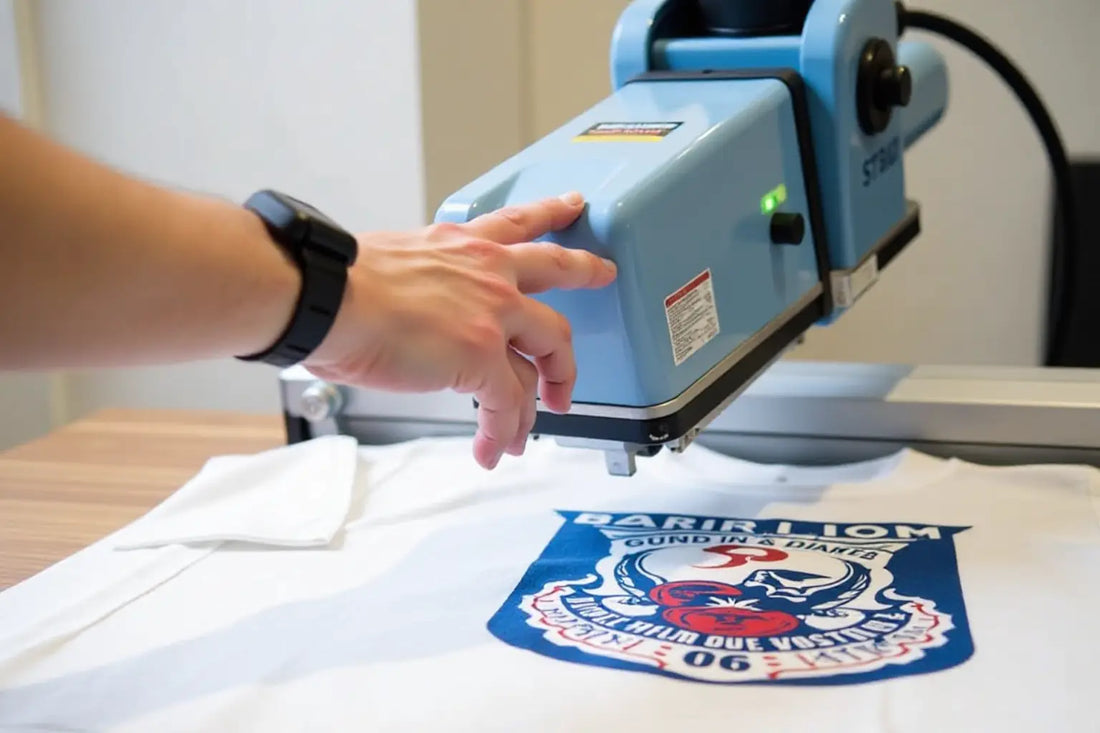
Troubleshooting Ghosting in DTF Transfers: 8 Things You’re Doing Wrong
DTF printing can be a game-changer for your business when it works as intended. But let’s be real, ghosting in DTF transfers is a nightmare nobody wants. That faint, double image showing up after pressing? It doesn’t just ruin the look—it wastes materials, time, and erodes your professional reputation. One bad print can set you back more than just a few bucks; it can cost you client trust. Fixing a double image in DTF is crucial for anyone aiming for consistent, high-quality results in this line of work. In this post, we'll explore the causes of ghosting—static cling, uneven alignment, and possibly even your press technique—and, more importantly, how to address ghosting in DTF so that your prints appear sharp after each press. Ghosting in DTF Transfers: The Causes and Their Fixes More often, it boils down to a handful of minor but critical issues—maybe the film shifts during pressing, the pressure isn’t quite right, or static electricity gets in the way. But guesswork won’t cut it. The smart move is to isolate each potential problem and address it methodically. Let’s explore the causes of ghosting in DTF and how you can address them. Cause 1: Film Shift During Pressing This one’s the classic culprit. If your transfer film jiggles even slightly while you’re pressing, a shadow can appear. The easy DTF transfer ghosting fix is tape—use heat-resistant tape before pressing. Make sure you’re pressing straight down, and double-check that the film’s lined up. If you’re doing multiples, be extra careful. If your design keeps getting doubles, start here. This is a top priority in any DTF ghosting troubleshooting tips checklist. Cause 2: Inconsistent Pressure Misaligned pressure contributes to both DTF print alignment issues and DTF heat press alignment issues. If the pressure is inconsistent, parts of your design might stick, others might lift, and things just get out of place. Set your press to medium-firm and test it out with some scrap paper or use those little pressure strips. Lay your shirt flat; seams, zippers, or wrinkles can cause the designs to shift, leading to ghosting. Your press platen needs to be level and evenly heated. A crooked press equals a crooked print. Period. Cause 3: Static Electricity This is a lesser-known but serious cause of ghosting in DTF. When the environment is too dry, static builds up and causes your film to cling, snap, or shift the moment you peel it, wrecking your alignment and leaving behind those dreaded shadows. To fix this, try raising your humidity up to around 45–55%. Use anti-static spray on surfaces around your press, especially in winter or dry climates. Managing static is one of the best settings to prevent DTF ghosting. Cause 4: Peeling the Film Too Early If you’re wondering how to avoid DTF ghosting every time, this step is a big one. Patience is key when it comes to avoiding ghosting in DTF transfers. Peel the film off before it’s cooled (for cold peel films), and you’re asking for trouble. Wait until it cools—give it at least 15–30 seconds, or use a fan if you’re in a hurry. For hot peeling, still ensure it’s cured, and peel in one smooth motion. Cause 5: Low Film Quality Low film quality can cause warping, shrinking, and curling, resulting in inconsistent print quality that only adds to your expenses. Bad quality film purchased from unreliable sources can cause DTF print ghosting issues. Stick with solid, trustworthy film providers like Music City DTF. Additionally, store your film in a cool, dry place, away from high heat and moisture. Cause 6: Garment Prep Fails If your shirt is wrinkled, damp, or has debris on its surface, don’t expect miracles. The film won’t stick right, and ghosting will be inevitable. Just take a sec—pre-press for a few seconds, use a lint roller, and smooth out the surface before you start. This is one of the easiest DTF ghosting troubleshooting tips to follow, helping you avoid ghosting and ensure high-quality prints each time. Cause 7: Heat Press Temperature Uneven heat distribution in your heat press can significantly compromise print quality. Some sections of a transfer might adhere perfectly, while others remain undercooked, resulting in visible ghosting or a ghost effect in DTF printing that reflects poorly on your business. To avoid these issues, make it a regular practice to check the accuracy of your heat press with an infrared thermometer (they’re inexpensive and easy to find). It’s also wise to check the press platen by hand for any temperature inconsistencies to avoid ghosting in DTF. Cause 8: Burnt (or Half-Baked) Transfers If you cure your transfers too hot, too cold, or for too long, you’ll get melted messes, lifted edges, or random warps. The optimal temperature range is approximately 250–265°F (120–130°C). You want the finish to be glossy and smooth, not a patchy mess. Also, don’t let the film curl up while curing; keep it flat to prevent hot spots. Finding the best settings to prevent DTF ghosting is non-negotiable if you want pro results. Why Choose Music City DTF? Fixing a double image in DTF doesn’t have to be a guessing game—we’re here to help you nail it. At Music City DTF, we don’t mess around with second-rate stuff. You get top-notch film, glue that sticks, plus real support. No weird ghosting, no ugly smears—just bright, punchy colors that pop. You get fewer screw-ups, and your transfers impress customers who keep coming back for more. Still stressing about your setup? Or would you like to test the goods before making a full commitment? No worries—get our DTF Sample Pack to get started. Final Thoughts For pro-grade designs every time, it is essential to consider all the factors and monitor them closely to avoid wasting time or money. Because ghosting in DTF transfers doesn’t just mess up your designs—it damages your reputation. But now you know how to fix ghosting in DTF. It’s all about locking in your process and setup. If you’re still concerned about DTF transfer printing mistakes, we’ve got your back with all the resources you need. Print sharper, print cleaner, and stress less with our detailed Music City DTF guides.
Learn more